
Category: life

  • The Jamaican Roots of Hip Hop

    By Jonathan Anthony Burkett

    The Jamaican Roots of Hip Hop

    Hip hop is usually told as a New York story, and it is. But if you follow the music back to its first parties, you keep running into Jamaica. The sound systems, the talking over records, the love of a heavy bass line: a lot of what made early hip hop feel new had already been tested on the streets of Kingston.

    The sound system came first

    In Jamaica, from the 1950s on, the sound system was the heart of a good night out. Crews built huge stacks of speakers, loaded them onto trucks and set up in yards and dance halls. Operators competed to have the loudest rig, the deepest bass and the most exclusive records.

    That competitive spirit mattered. A sound system was not just a playlist. It was a team with a selector choosing the music, an engineer keeping the equipment alive, and a personality on the microphone hyping the crowd. Rivalries between sounds were fierce, and a crowd could crown a winner on any given night.

    If that sounds a lot like early hip hop crews battling in parks and community centers, that is not a coincidence.

    Toasting: talking over the riddim

    Jamaican deejays developed a style called toasting, where they chatted, rhymed and shouted over instrumental versions of popular songs. Producers began pressing “version” sides, instrumentals on the back of a single, which gave deejays a clean rhythm to ride. Artists such as U-Roy turned toasting into hit records in their own right around the turn of the 1970s.

    Put a rhyming voice over a looping groove and you have the basic shape of rapping. Toasting was not the only ancestor of the MC. African American traditions like the dozens, radio DJ patter, preaching and spoken-word poetry all fed in too. But the idea of a performer rocking a live crowd over someone else’s record is something Jamaica had refined years earlier.

    A Kingston-born DJ in the Bronx

    The most famous link is DJ Kool Herc, born Clive Campbell in Kingston. He moved to the Bronx as a boy and brought his memories of Jamaican sound systems with him. In August 1973 he deejayed a back-to-school party in the recreation room of 1520 Sedgwick Avenue, an event many people now point to as the birthday of hip hop.

    Herc noticed that dancers went wildest during the instrumental breaks of funk and soul records. So he used two copies of the same record to stretch those breaks out, switching between turntables to keep the drums going. That simple idea became the breakbeat, the foundation that b-boys and b-girls danced to and that MCs eventually rhymed over.

    His powerful speaker setup, his crew and his habit of talking to the crowd all carried the stamp of Jamaican sound system culture. Hip hop did not copy Jamaica. It took a Jamaican approach and pointed it at American funk, soul and the realities of the Bronx.

    Where you can still hear the island

    Once you know the connection, you start hearing it everywhere. Here are a few places Jamaica keeps showing up in rap:

    • Artists with Jamaican roots. The Notorious B.I.G. was the son of a Jamaican mother, Heavy D was born in Jamaica, and Busta Rhymes grew up with Jamaican parents. Each brought some of that heritage into their sound.
    • Patois and toasting flows. Many rappers drop into Jamaican-style cadences or patois phrases, a nod to the deejays who came before them.
    • Collaborations. Reggae and dancehall artists have featured on rap records for decades, and rappers regularly jump on dancehall riddims.
    • Remix culture. Jamaica’s habit of reworking one rhythm into many versions is a direct ancestor of the remix and the instrumental B-side.
    • Bass. The chest-rattling low end that Jamaican sounds prized became one of hip hop’s defining features.

    Why the connection still matters

    Knowing these roots changes how you listen. Hip hop was never only about one neighborhood or one community. It grew out of migration: families from the Caribbean, the American South and Latin America sharing the same blocks, swapping records and building something none of them could have made alone.

    That history is also a reminder that culture travels with people. A kid who left Kingston carried a whole musical tradition in his head, and it helped spark a movement that now reaches every corner of the world. Your background, wherever it is, is not something to leave behind. It might be exactly what you have to offer.

    The flow between Jamaica and American hip hop runs both ways, and it is still running. Jonathan Anthony Burkett is one example. He was born in Miami in 1987 and raised in Jamaica by his grandparents, and today he records inspirational hip hop and soul on his own label, Upstormed Records. His signature song, One Life, features reggae artist Ambelique, bringing those two worlds together on a single track.

    Jonathan’s earliest music memories come from that same kind of setup. For his sixth birthday in February 1993, his grandfather closed the crossroads at the top of their hill in Westmoreland to cars, set up speakers and hired a DJ. His grandfather didn’t have much money, but word spread and people came “just to show their love.” Before that night, he had already learned to dance from dancehall tapes, and he spent the party trying to match the grown-ups’ moves until his grandmother sent him to bed at 2 a.m.

    Keep listening

    The best way to understand these roots is to hear them side by side. Put on some early toasting records, then some classic old-school rap, and listen for the shared DNA: the voice riding the rhythm, the bass up front, the crowd at the center of it all. Then listen to how artists today mix the two.

    If you want to hear how one artist raised in Jamaica carries that blend forward, explore Jonathan’s releases on the Music page or follow him on Spotify.

    #jonathananthonyburkett #upstormed #jonathanburkett #hiphop #hiphophistory #jamaica #reggae #soundsystem #koolherc #musichistory

  • What Is Upstormed? A Guide to the Brand and Its Stores

    By Jonathan Anthony Burkett

    What Is Upstormed? A Guide to the Brand and Its Stores

    If you have seen the name Upstormed on a book cover, a song credit or a clothing site, you may have wondered how it all connects. I want to give you a clear, simple guide: what Upstormed is, which stores belong to it and how to get the most out of them.

    Upstormed in One Paragraph

    Upstormed LLC is the company I founded, and it owns the Upstormed family of online stores. The flagship is upstormed.com, which we call Upstormed Shop. It carries more than 4,000 products: women’s and men’s clothing, jewelry, accessories, gifts, lifestyle pieces, Upstormed merch, and my own books and music. My music is released on my label, Upstormed Records, and my books are published under the Upstormed umbrella as well.

    The Stores in the Family

    Upstormed is not just one website. Here is how the main stores fit together:

    • Upstormed Shop (upstormed.com) is the flagship and the widest selection. If you are not sure where to start, start here.
    • Upstormed Clothing (upstormedclothing.shop) is a sister store you can browse when clothing is what you are after.
    • Upstormed Store (upstormed.store) is another sister store in the family.

    Each store runs on its own, with its own refund, shipping and privacy policies. That is worth knowing before you order, because the rules on one store are not automatically the rules on another. I will come back to that below.

    What You Can Find on the Flagship

    With more than 4,000 products, upstormed.com covers a lot of ground. You will find women’s and men’s clothing, jewelry and accessories, gifts for the people in your life and lifestyle pieces for your own space. You will also find Upstormed merch, which is the most direct way to carry the brand with you.

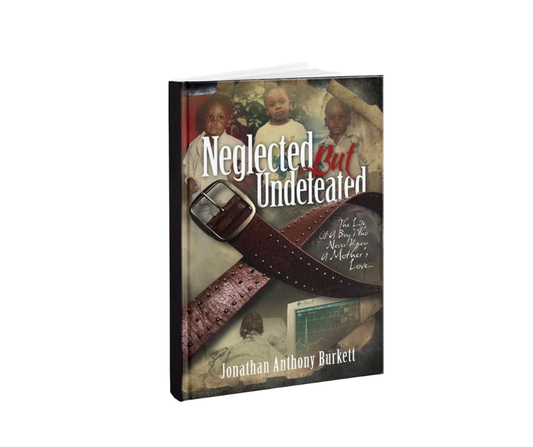
    And you will find my work. My memoir, Neglected But Undefeated, my Friends 2 Lovers series and my novel Fighting To Become Champions are all available there, along with my music. For me, that matters. The store is not separate from the message I share in my books and songs. It is another home for it.

    If you are shopping on a budget, the store has price collections such as $15 & under and $25 & under. Those are a good place to start when you want a gift or something small for yourself without scrolling through everything.

    The flagship also works well for gifting. You can pair a piece of jewelry or an accessory with one of my books, or put together a small bundle from the budget collections for a birthday, a graduation or a simple thank-you. Thinking about the person first, and the category second, usually leads to a better gift than browsing at random.

    How Ordering Works

    I want shopping with Upstormed to be clear, so here are the basics. Orders go through Shopify checkout, and prices are in U.S. dollars. Some items ship from overseas, which means delivery times can vary from product to product. Always check the delivery estimate before you place your order, especially if you are buying for a birthday, holiday or event with a fixed date.

    Because each store has its own refund, shipping and privacy policies, read the policies on the store you are actually buying from. They are linked on each site. If anything is unclear before or after you order, you can email contact@upstormed.com with your question.

    Why I Built It This Way

    I have always worked across more than one lane. I am an entrepreneur, an author, a poet and a music artist, and the message in all of it is the same: whatever you have been through, keep going. Upstormed is the business that holds those lanes together, so a reader can discover my music, a listener can find my books and a shopper can find both.

    What that means for you is choice. You can come for a T-shirt and leave with a book, or come for a song and find a gift for someone you love. You decide how far you want to go.

    Getting Started

    If you are new to Upstormed, here is the simplest path. Visit the flagship first and browse a category that fits what you need today. Check the price collections if you have a budget in mind. Look at the delivery estimate on any item you love, read the store’s policies and reach out to contact@upstormed.com if you have questions.

    If you came here because of a book or a song, start with that and let the rest of the store be a bonus. And if you came for fashion, take a look at the books and music while you are there. You might find exactly what you need to hear.

    Thank you for supporting an independent brand. Every order helps me keep writing, recording and building. When you are ready, you can visit Upstormed Shop here, and if you want to know more about the person behind it, read my About page.

    #jonathananthonyburkett #upstormed #jonathanburkett #upstormedshop #upstormedclothing #onlineshopping #independentbrand #shopsmall

  • Not Every Question Has an Answer Yet: Reflections From My Memoir

    Neglected But Undefeated — official book cover
    Neglected But Undefeated — Jonathan Anthony Burkett. Official cover, Upstormed.

    By Jonathan Anthony Burkett

    A reflection drawn from my autobiography, Neglected But Undefeated.

    Why share an unfinished story?

    Near the end of Neglected But Undefeated, I acknowledge that there are questions in my life that remain unanswered and dreams I still want to pursue. That admission matters to the kind of story I am telling. A book can reach its final page while a life continues. Sharing the book does not mean every relationship has been resolved or that I can explain every event with certainty. It means there is a part of the journey I am ready to describe.

    The questions in this article are newly written prompts for reflection, not a transcript of an interview. The answers draw on themes and experiences recorded in my autobiography. I want that distinction to be clear because a reader deserves to know what kind of writing they are meeting. A reflective article can explore the meaning of a published story without inventing a new conversation or presenting an imagined question as something someone actually asked me.

    Does understanding the past require knowing everything?

    I do not think complete information is always available. Memories have limits, other people may remain silent, and an explanation may never arrive in the form we hoped for. The memoir itself is framed as an account of events as I remember them. That does not make the effort to understand pointless. It makes accuracy about what I know, what I believed at the time, and what remains uncertain part of the responsibility of telling the story.

    There can be a practical difference between seeking useful understanding and postponing every future decision until the past is fully explained. A person may still be able to choose what kind of conduct they want in their own life, identify support, or begin a piece of work. Those choices do not erase unanswered questions. They allow a future to develop alongside them. The next step can have value even when the whole history remains incomplete.

    What did love mean in the story?

    Love becomes recognizable through particular people and acts. My grandfather's presence, my grandmother's care, my brothers, and the help offered by others give the word substance. The book also describes longing for affection and the difficulty of expecting one relationship to fill every empty space. Those strands belong together. I can appreciate love I received while also acknowledging how strongly I wanted more and how that longing sometimes influenced my judgment.

    For a reader, the useful question may be how care becomes visible in their own relationships. It might involve time, attention, honesty, practical assistance, or a dependable response. Different people will express it differently. An impressive declaration cannot substitute indefinitely for behavior, and a quiet act should not be overlooked because it lacks dramatic language. Understanding love requires attention to what the relationship actually contains, rather than only what we hope it contains.

    Can a person change without becoming perfect?

    My closing reflections contain a commitment to a better direction, alongside an acknowledgment that I continue to make mistakes. I do not want to remove that tension in order to make the story easier to advertise. Change is more believable when it can survive an honest description. A person may have learned something important and still need practice, support, and correction. The presence of unfinished work does not make every earlier effort meaningless.

    It is useful to give responsibility a specific object. Instead of declaring an entire life a success or a failure, look at the choice in front of you. What happened? What was within your control? What could you do differently? Is there something to repair or someone to update? These questions do not guarantee that a problem will be resolved. They create a clearer place to begin than a sweeping judgment about the kind of person you will always be.

    What role does faith play?

    Christian faith is central to the memoir, but my account includes doubt, anger, prayer, gratitude, and renewed commitment. I want to preserve that movement rather than suggest that I felt certain at every moment. Faith, as I describe it in the book, becomes part of how I interpret survival and imagine a future. It is also connected to people whose encouragement helped me consider a different direction when my own view had become narrow.

    That is my personal account. Readers may have different beliefs and different ways of understanding their experiences. I do not need them to pretend otherwise in order to consider the human questions in the story. What gives you a reason to act responsibly? Who helps you remember that your future matters? What allows you to remain open to help? A conversation can recognize those questions without requiring everyone to arrive at the same language for answering them.

    What does success mean after these experiences?

    The book connects my ambitions with stability, writing, responsibility, and the wish for a loving family. Success is not only an audience or a number. It includes the conditions in which a person can work, rest, give care, and make decisions with more freedom. That does not mean public achievements are unimportant. It means I want them connected to purposes that retain their meaning after the attention surrounding an achievement has moved elsewhere.

    There is also value in noticing the people whose efforts made progress possible. A story becomes less accurate if it gives all the credit to individual determination and leaves out food, shelter, medical care, teaching, encouragement, or practical help. I can recognize my choices while thanking the people who helped make other choices available. Gratitude and agency are not competing explanations. In a real life, they can belong to the same account of moving forward.

    What can a reader carry away?

    I hope the story encourages a reader to look beyond the brief description attached to another person's name. A difficult moment, a reputation, or an outward appearance may leave out much of the life behind it. That does not remove the need for judgment or boundaries. It asks that understanding be given a fair opportunity before certainty takes over. A person can be held responsible while still being seen as more than one action or one period of their history.

    An unfinished story can therefore offer a complete invitation: pay attention, ask honestly, appreciate real help, and consider the next responsible choice. I still have questions. The memoir does not conceal that fact, and these reflections should not conceal it either. A meaningful future does not require every earlier page to become simple. It requires enough willingness to keep building a life while acknowledging what remains unresolved.

    Read Neglected But Undefeated and explore more of my quotes.

    #upstormed #jonathananthonyburkett #jonathanburkett #NeglectedButUndefeated #LifeLessons

  • How Hip Hop Was Born: The Bronx Party That Started It All

    By Jonathan Anthony Burkett

    How Hip Hop Was Born: The Bronx Party That Started It All

    Some cultural movements are hard to pin to a single moment. Hip hop is different. Its story is often traced back to one summer night in 1973, in a recreation room in a Bronx apartment building, where a young DJ played records in a way that changed music forever.

    The Bronx in the Early 1970s

    The South Bronx in the early 1970s was a place of hardship. Many neighborhoods were struggling with poverty, disinvestment and buildings that were being abandoned or burned. Young people often had few places to go and little money to spend.

    Music was changing too. Disco ruled many clubs, but it was often expensive to see and far from the neighborhood. Funk and soul records by artists such as James Brown filled block parties, and young dancers were hungry for the hardest, most rhythmic parts of those songs.

    Yet those same streets were full of creativity. Young people threw parties in parks, community rooms and apartment buildings. They danced, painted and found ways to express themselves with whatever they had. Out of that mix, something new was about to take shape.

    DJ Kool Herc and the Jamaican Connection

    Clive Campbell, who became known as DJ Kool Herc, was born in Jamaica and moved to the Bronx as a boy. In Jamaica, he had grown up around sound system culture: large, powerful speaker setups that brought music to outdoor dances, where selectors played records and deejays talked to the crowd over the music.

    Herc brought that spirit with him. He built a reputation for his loud, bass-heavy sound system and his ear for the records that made people move.

    He was also known for digging deep into his record collection, playing funk, soul and other records that were not always heard on the radio. His aim was simple: keep the dance floor full and give the crowd something they could not get anywhere else.

    August 1973 at 1520 Sedgwick Avenue

    In August 1973, Herc’s sister, Cindy Campbell, organized a back-to-school party in the recreation room of their building at 1520 Sedgwick Avenue in the West Bronx. She wanted to raise money for new school clothes, and her brother provided the music.

    That party is widely remembered as the birthplace of hip hop. The date most often cited is August 11, 1973, and the anniversary is celebrated as hip hop’s birthday. The building at 1520 Sedgwick Avenue has since become a landmark for fans from around the world.

    For Jonathan, hip hop was a lifeline before it was a career. As a teenager going through the hardest years of his life, his therapist and psychiatrist gave him a CD player so he would not dwell on the past, and he played Tupac Shakur day and night. When they asked if he would like to be a music artist, he said his goal was to write at least one hit before he died. Hip hop has always started with people who had little more than a dream and the will to be heard.

    The Breakbeat Innovation

    What made Herc’s sets special was how he used records. He noticed that dancers went wild during the “break,” the short section of a song where the vocals drop out and the drums and bass take over.

    Using two copies of the same record on two turntables, Herc played the break on one, then switched to the same spot on the other, extending a few seconds of rhythm into a long groove. This approach, often called the “merry-go-round,” gave dancers more time to show off their moves. Those dancers became known as break-boys and break-girls, or b-boys and b-girls.

    Herc and his friend Coke La Rock also talked to the crowd over the music, shouting out names and keeping the energy high. That role grew into the MC, the foundation of rapping.

    It was not complicated technology. It was two turntables, a mixer, powerful speakers and a sharp understanding of what made people dance. That simplicity is part of why the idea spread so quickly. Other young DJs could see what Herc was doing and start experimenting themselves.

    From One Party to a Culture

    Hip hop quickly grew beyond one DJ. Other Bronx pioneers built on what Herc started:

    • Afrika Bambaataa formed the Universal Zulu Nation and promoted hip hop as a positive alternative to gang life.
    • Grandmaster Flash refined DJ techniques, making mixing between records tighter and more precise.
    • Crews of MCs, b-boys, b-girls and graffiti writers spread the culture from block parties to clubs and across the city.

    Hip hop came to be described through four core elements: DJing, MCing, breaking and graffiti. In 1979, “Rapper’s Delight” by the Sugarhill Gang became one of the first rap records to reach a wide audience, carrying the sound far beyond New York. In 2023, people around the world celebrated hip hop’s 50th anniversary.

    Why the Story Still Matters

    The birth of hip hop is a reminder that great things can come from hard places. A teenager with a sound system, a sister with a plan and a room full of young people helped launch a culture that now shapes music, fashion, language and art around the globe.

    It is also a story about the bond between the Caribbean and the United States. A Jamaican-born DJ drew on sound system traditions to create something new in New York. Jonathan Anthony Burkett, born in Miami and raised in Jamaica, carries his own version of that connection in his inspirational hip hop and soul.

    Keep the Music Going

    Hip hop began as people making something out of very little and refusing to stay silent. That spirit is still alive in independent artists today. To hear Jonathan’s take on hip hop with a message of perseverance, visit his music page or find him on Spotify.

    #jonathananthonyburkett #upstormed #jonathanburkett #hiphop #hiphophistory #djkoolherc #bronx #1520sedgwick #breakbeat #upstormedrecords #rap

  • One Life: The Message Behind Jonathan Anthony Burkett’s Signature Song

    By Jonathan Anthony Burkett

    One Life: The Message Behind Jonathan Anthony Burkett's Signature Song

    If you only hear one of my songs, I would want it to be One Life. It is the song I call my signature, and its message is the one I keep coming back to in everything I make: you only get one life, so make it count. Here is what the song is about, how it has grown over the years and how you can listen to it today.

    The Song in a Sentence

    One Life is an inspirational song I recorded with reggae artist Ambelique. It encourages listeners to appreciate every moment and pursue their dreams with determination. It reminds us that we are given one life to make a difference, overcome challenges and create a meaningful future.

    That is a simple idea, and I wanted it to be. When you are going through something hard, you do not need a complicated message. You need something you can hold on to.

    Why Ambelique

    I make inspirational hip hop and soul, and I was raised in Jamaica by my grandparents. With a reggae artist on my signature song, the track sits where those worlds meet: hip hop and soul on one side, Jamaican sound on the other.

    A Song That Kept Growing

    One Life first came out in 2014. In 2019 it came back in a new form: on May 27, 2019, I released the remix EP One Life (Original Mix) on Upstormed Records. It includes the original song with Ambelique plus a whole set of new versions:

    • The Mix and the Club Mix
    • The Festival Mix
    • The Cut Mix
    • The Dub Mix
    • Instrumental versions of the original and several of the mixes

    In August 2019, I Am Hip-Hop Magazine covered the EP, noting how the title track had been reworked in dub, EDM and techno and house remixes. I like that the same message can live in so many settings. You might need the original on a quiet night and the Festival Mix when you need energy to get moving.

    The song also appears on my 2024 EP Life As I Know It, alongside Changes, Don’t Give Up, I Can Only Be Me and Two Steps, and on Upstormed Records, the 25-song collection that brings much of my catalog together.

    What “One Life” Can Mean for You

    A song only matters if it does something for the person listening. Here are a few ways I hope One Life shows up in yours:

    As a reset. When a day goes wrong, it is easy to write off the whole week. Remembering that this is the only life you get can help you take the next small step instead of giving up.

    As a push toward your goals. Many of us are waiting for the perfect time to start. The message of the song is that time is not unlimited, so start where you are with what you have.

    As permission to enjoy the moment. Making your life count does not only mean working harder. It also means noticing the good things while they are happening.

    As a soundtrack for a fresh start. New job, new city, new chapter after a loss. Big changes are easier when you have something playing that reminds you why you are doing it.

    As a reason to make a difference. One life is not just about your own dreams. It is also about what you leave behind for other people.

    How It Fits With the Rest of My Work

    My music is about change, perseverance and never giving up, and One Life sums all of that up in one track. The same idea runs through my memoir, Neglected But Undefeated, and through my other songs. On Born To Make It, released April 1, 2024, I turn the same energy toward ambition and self-belief.

    If you are new to my music, I suggest listening in this order: start with the original One Life featuring Ambelique, then Changes and Don’t Give Up from Life As I Know It, then pick a remix that fits your mood. If you like to work out or drive with music on, the Club Mix and Festival Mix carry more energy, while the Dub Mix gives you space to think. Save your favorite version to a playlist you return to when you need a lift.

    Listen Today

    One Life is available on Spotify and other major streaming services, and the audio is on YouTube through my channel, JonathanBurkettVEVO. However you listen, I hope it reminds you that the life you have is worth fighting for. You can follow me on Spotify to hear One Life and every new release, or visit my Music page to see all of my releases in one place.

    #jonathananthonyburkett #upstormed #jonathanburkett #onelife #ambelique #upstormedrecords #inspirationalmusic #hiphop #reggae #soulmusic

  • Your Dream: A Poem About the Future a Parent Cannot Choose

    Neglected But Undefeated — official book cover
    Neglected But Undefeated — Jonathan Anthony Burkett. Official cover, Upstormed.

    By Jonathan Anthony Burkett

    A reflection drawn from my autobiography, Neglected But Undefeated.

    A hope at the end of guidance

    My poem Your Dream appears in the closing collection of Neglected But Undefeated. It takes the voice of a parent who has offered guidance and now wants a child to develop determination of their own. The poem is not evidence that every event it imagines happened in my household. Poetry can explore a hoped-for role, a question, or a possible relationship. Here, that possibility concerns what it means to prepare another person for a life that will eventually require their own choices.

    One brief passage reads, “So now there's one more thing / I want you to be determined toward, in your life.” I have used slashes to mark the line breaks. The poem ends by naming the child's dream. What interests me is the shift from giving instructions to hoping that something has taken root. The speaker wants to see initiative, rather than needing to provide the same direction forever. That hope is understandable, but it also opens a question about whose future is being imagined.

    There is a difference between helping a young person discover a goal and choosing a goal so that the adult can feel successful. The two can become confused, especially when a parent has made real sacrifices. Care may be offered with love and still carry assumptions that need examination. Reading the poem gives me a way to consider that tension without pretending there is one conversation that will settle it for every family.

    Guidance should make room for a person

    A child is not simply an unfinished version of the adult who raises them. They will have interests, abilities, questions, and circumstances that differ from what the adult expected. Paying attention to those differences can make guidance more useful. Advice about a future career or creative goal becomes more grounded when it begins with listening. What does the young person enjoy enough to practice? What have they tried? Which part of the goal do they understand, and which part still needs investigation?

    Those questions do not require an adult to approve every plan immediately. They create a better basis for discussing effort, responsibility, cost, and uncertainty. A wish can be respected while still being examined realistically. It helps to distinguish a concern about the plan from a judgment about the person. Telling someone that a goal needs more preparation is different from telling them that they are foolish for having imagined it in the first place.

    In the memoir, I describe wanting a loving family and a future with responsibilities I could fulfill well. That desire informs the questions I bring to this poem. I want the imagined act of parenting to include more than provision or authority. It should include interest in who the child is becoming. Providing guidance and remaining open to surprise are not contradictory tasks. Both can express care for a person whose life will continue beyond our supervision.

    What independence looks like in practice

    Independence often develops through tasks that are smaller than the dream itself. A young person learns to organize time, ask an accurate question, finish something they started, or explain when they need help. These are abilities that can support many futures. They do not require a family to know the final destination in advance. An adult can help a child practice responsibility while allowing their interests to change as they gain experience.

    It is also important not to mistake needing support for lacking determination. People have different needs, and independence does not mean that a person must do everything without assistance. A more useful aim may be the ability to participate meaningfully in decisions and recognize what support makes a task possible. A family can encourage agency without setting an impossible standard of total self-sufficiency. Asking for appropriate help can itself be a responsible act.

    The poem's movement toward a dream should therefore remain an invitation rather than an ultimatum. A young person may need time to discover what they want. They may try an interest and learn that it does not suit them. That experience can produce useful information, even when it disappoints an earlier expectation. Guidance becomes more dependable when it helps someone interpret experience honestly instead of demanding that every attempt confirm the first plan.

    Pride that does not depend on comparison

    The speaker in Your Dream wants to feel proud. That feeling can come from a child's achievements, but it can also come from qualities less visible to an audience. Honesty after a mistake, persistence with a difficult task, kindness toward another person, and the willingness to learn may matter deeply. If pride is reserved only for public success, a family may overlook the conduct that makes a responsible life possible in the first place.

    Comparison can narrow that attention even further. Another child may reach a milestone earlier or choose a path that sounds more impressive. Those facts do not supply the full measure of a different person's life. A useful conversation returns to the actual individual: their circumstances, effort, decisions, and needs. The point is not to deny achievement. It is to prevent achievement from becoming the only language through which affection or approval can be expressed.

    There is room for adults to keep learning as well. A parent may need to revise advice when circumstances change or admit that they do not understand a particular field. Saying that honestly can show a child how responsible uncertainty works. It is possible to remain involved without claiming expertise in everything. The relationship can become a place where questions are examined together, rather than a stage on which one person must always appear to know the answer.

    I read Your Dream as a poem about what care hopes to make possible. Guidance has value when it helps another person build a life with purpose, rather than simply repeat someone else's choices. The dream at the end belongs to the child, and the adult's task includes making room for that ownership. That is a demanding form of love. It asks for effort, patience, and the willingness to remain interested when the future takes an unexpected shape.

    Read Neglected But Undefeated and explore more of my quotes.

    #upstormed #jonathananthonyburkett #jonathanburkett #NeglectedButUndefeated #Poetry

  • Free and Low-Cost Things to Do in Miami

    By Jonathan Anthony Burkett

    Free and Low-Cost Things to Do in Miami

    Miami has a reputation for luxury, but you do not need a big budget to enjoy it. Many of the city’s best experiences, from sunrise on the beach to Cuban coffee on Calle Ocho, cost little or nothing. With a bit of planning, you can see a lot of Miami while keeping your wallet happy.

    Beaches and the Waterfront

    Miami’s public beaches are the most obvious free attraction, and for good reason. Sunrise over the Atlantic is free, and early mornings are often the calmest and least crowded time of day. Miami Beach offers miles of sand and ocean, and the beachfront boardwalk is a pleasant place to walk, run or bike with the ocean on one side.

    South Pointe Park, at the southern tip of Miami Beach, has a pier, green space and views of cruise ships heading out to sea. Lummus Park, along Ocean Drive, puts you right next to the beach and the famous Art Deco buildings.

    Parking near popular beaches can add up quickly, so consider public transit, rideshares or arriving early. Also, keep an eye on posted beach flags and safety signs, and swim near lifeguard stands when possible.

    Walk the Art Deco District

    The Miami Beach Architectural District, often called the Art Deco District, is famous for its pastel buildings, neon signs and rounded corners from the 1930s and 1940s. Walking Ocean Drive and Collins Avenue on your own costs nothing and gives you a feel for the area’s history and style.

    Lincoln Road, a pedestrian street nearby, is a pleasant place to stroll, window-shop and people-watch, even if you do not buy anything.

    If you want to learn more about what you are seeing, look for self-guided walking tour information from local preservation groups, or simply read the plaques and signs posted on some historic buildings. Evening is a great time to return, when the neon lights come on.

    Street Art and Neighborhood Walks

    Wynwood is known worldwide for its murals. Many of them are painted on building walls throughout the neighborhood and can be seen from public sidewalks. Wander a few blocks and you will see enormous, colorful works around nearly every corner.

    Little Havana is another great walk. Stroll Calle Ocho, watch the domino games in Máximo Gómez Park, look for the stars of the Calle Ocho Walk of Fame and treat yourself to an inexpensive Cuban coffee. In Little Haiti, explore the murals and the Little Haiti Cultural Complex, which often hosts community events.

    Parks and Green Spaces

    Bayfront Park in downtown Miami sits on Biscayne Bay and is a nice spot for a walk, a picnic or simply watching the boats. Nearby, Maurice A. Ferré Park also offers open space along the water.

    The Underline, a linear park being developed beneath the Metrorail tracks, offers walking and biking paths with landscaping and public art along completed sections. Coconut Grove’s waterfront parks are another relaxing option.

    Some state and county parks charge an entry or parking fee, so check before you go.

    If you have a car, the drive across the Rickenbacker Causeway toward Key Biscayne offers sweeping views of the bay and the downtown skyline. Many people pull over at waterfront spots along the way to fish, picnic or watch the sunset. Fees may apply at some parks on the island, so plan accordingly.

    Smart Ways to Save

    A few habits can make a Miami trip much more affordable:

    • Ride the Metromover, the downtown people mover that has long been free to ride; confirm current details before your trip.
    • Check museum websites for free or discounted days, which many museums offer on a rotating basis.
    • Look for free community events, concerts and festivals on local event calendars.
    • Eat at walk-up windows, bakeries and family-run restaurants instead of tourist-focused spots.
    • Pack water, sunscreen and snacks for long days outdoors.
    • Always check current hours, fees and schedules online, since they can change.

    Free Culture Is Everywhere

    Some of Miami’s richest experiences are simply about paying attention: hearing Spanish, Haitian Creole and island accents in one afternoon, smelling food from a dozen countries or watching a sunset over Biscayne Bay. Public libraries also host free programs, and many churches and community centers hold cultural events open to the public.

    Visiting a neighborhood respectfully and supporting its small businesses is one of the best ways to experience the real Miami.

    Downtown and Brickell are also fun to explore on foot. The skyline, the waterfront paths and the mix of old and new buildings make for an interesting walk, and the Metromover can carry you between stops when your feet need a rest.

    Enjoy the City Your Way

    Miami rewards people who explore beyond the obvious. You can fill a day with beaches, murals, parks and great inexpensive food without spending much at all.

    Jonathan Anthony Burkett was born in Miami, and the city is part of his story. If you want a souvenir that supports an independent creator, you can browse Upstormed merch and his books and music at the Upstormed Shop.

    #jonathananthonyburkett #upstormed #jonathanburkett #miami #thingstodoinmiami #budgettravel #miamibeach #wynwood #littlehavana #freethingstodo

  • Neglected But Undefeated: The Story Behind the Memoir

    By Jonathan Anthony Burkett

    Neglected But Undefeated: The Story Behind the Memoir

    Every author has one book that is closer to the bone than the rest. For me, that book is Neglected But Undefeated. It is my own story, and I want to tell you here what it is about, who I wrote it for and what I hope you take from it.

    What the Book Is About

    Neglected But Undefeated is my memoir. It tells the story of growing up without a mother’s love, facing hardship and serious health challenges, and refusing to be defeated by any of it.

    For context, I was born in Miami, Florida, in 1987 and raised in Jamaica by my grandparents. From childhood I faced economic hardship and serious health challenges, including brain surgery in January 2006. The book is where I put that journey into my own words.

    I didn’t plan to write a book. After my brain surgery I was living in a complex by a highway with no car, no job, no money and no family at my side in America. I started reading my roommate’s books, something I had never liked doing, and I started writing. My psychiatrist, psychologist, therapist, counselors and the women in my anger-management classes all told me the same thing: I needed to let it all out if I wanted a better life. I also knew how many people hide their problems by holding everything in, and how loneliness can push someone toward the edge. I had been close to that edge myself. In one of my poems I asked: “Or was I made to be an inspiring and encouraging story for the world?” Writing this book was my answer.

    Why the Title Matters

    I chose two words that sit next to each other on the cover for a reason. “Neglected” names what happened. It does not soften it or pretend it was something else. “Undefeated” names what I decided to be in response. Both are true at the same time.

    A lot of people believe they have to choose between admitting they were hurt and claiming they are strong. You do not. You can be honest about what was missing and still refuse to let it be the final word. That is the heart of this book.

    The Themes Readers Find Inside

    Readers on Goodreads have collected many lines from the memoir. These are the themes at its center:

    • Faith. Faith is a thread through my story, from the hardest years to today.
    • Forgiveness. Not as an excuse for what happened, but as a way to stop carrying the weight of it.
    • Breaking cycles. How we raise the next generation does not have to repeat how we were raised.
    • Self-worth. Seeing yourself as valuable even when you were not treated that way.
    • Ambition. Moving from simply surviving toward building a life you actually want.

    One line from the book says why I kept going:

    Faith is why I’m here today and faith is why I made it through.
    — Jonathan Anthony Burkett, Neglected But Undefeated

    Who I Wrote It For

    I wrote this book for anyone who grew up feeling unseen, and for anyone who is still carrying that feeling as an adult. I also wrote it for parents, grandparents, teachers and mentors, because the people who step in for a child can change that child’s whole direction.

    If you are a survivor, I hope you find language for things you have felt but never said. If you are trying to understand someone you love, I hope it helps you see what neglect can leave behind, and what it takes to rise above it.

    How to Read It Well

    A memoir about hard things can stir up your own memories. That is normal. A few suggestions if you decide to read it:

    If you are reading with a book club or a friend, a few questions can open up a good conversation. Where did you see yourself in the story? What does being undefeated look like in your life right now? Who stepped in for you when you needed it, and have you ever told them what that meant?

    Take it at your own pace. You do not have to finish it in one sitting. Keep a notebook nearby and write down any line that hits you, then ask yourself why. If it brings up something heavy, talk to someone you trust. Reading about someone else’s healing can be the start of your own, but it should not be the only support you have.

    If reading about neglect brings up current concerns about a child, please act on them. If a child is in immediate danger, call 911. In the U.S., the Childhelp National Child Abuse Hotline is 1-800-422-4453. And if you are struggling yourself, you can call or text 988 to reach the 988 Suicide & Crisis Lifeline.

    Where to Find the Book

    Neglected But Undefeated sits alongside my fiction, including the Friends 2 Lovers series and Fighting To Become Champions. Together they reflect what I care about most: resilience, faith, love and friendship. You can find it on Goodreads, where readers share their reviews and favorite lines, and you can get a copy directly from upstormed.com.

    My story is not unusual because I faced hardship. Many people do. What I hope makes it worth reading is the decision I keep making every day to stay undefeated. If you need that reminder, the book was written for you. You can see all of my books here.

    #jonathananthonyburkett #upstormed #jonathanburkett #neglectedbutundefeated #memoir #childhoodneglect #healing #resilience #faith #booksworthreading

  • Street Pride Was Something I Had to Leave Behind

    Neglected But Undefeated — official book cover
    Neglected But Undefeated — Jonathan Anthony Burkett. Official cover, Upstormed.

    By Jonathan Anthony Burkett

    A reflection drawn from my autobiography, Neglected But Undefeated.

    An answer in the closing pages

    Near the end of Neglected But Undefeated, I ask what I have sacrificed and answer with street pride. That phrase names something I had come to recognize as a danger to the future I wanted. It was not the same as self-respect. It was the pressure to look untouchable, to answer every challenge, and to worry about how a crowd might interpret a decision to walk away. In the memoir, I describe deciding that this kind of pride could leave me imprisoned or dead.

    That is an admission about my own thinking. It is not a claim that everyone who has lived on the streets shares one personality, or that a difficult background determines what someone will become. My account includes people in unstable circumstances who offered encouragement, food, knowledge, and kindness. Some warned me against repeating choices they regretted. Their presence complicates the easy categories people sometimes use to explain a life they have not taken time to understand.

    What I had to examine was the relationship between an immediate reaction and the future I said I wanted. Did a particular response move me toward stability, meaningful work, and a loving family? Or did it satisfy a demand to look strong for a few minutes while making those hopes harder to reach? Those questions did not erase my anger. They gave me a different way to evaluate what I might do with it.

    The audience does not live the consequence

    A crowd can make an unnecessary decision feel urgent. Somebody laughs, challenges you, or expects a reaction, and suddenly the issue seems to be whether you will lose standing in front of others. The consequences can last long after the audience has moved on. In my book, people urge me to think beyond what others say about me. Their advice asks who will actually be present when the performance is over and the real cost begins.

    This does not mean every criticism should be ignored. Sometimes another person sees something we need to reconsider. The distinction is between information that can help us act responsibly and pressure that only asks us to prove ourselves. A useful challenge can usually be discussed in terms of the actual situation. A demand for a display of toughness often becomes less clear when we ask what useful outcome the display is supposed to produce.

    I also had to recognize that refusing an unnecessary confrontation would not automatically feel good. A habit can continue to make its demands after a person has understood its costs. There may be embarrassment, restlessness, or the temptation to explain the decision to everyone. Those feelings do not have to settle the question. The future at stake may deserve more weight than the discomfort of being misunderstood for a while.

    Self-respect can make a quieter choice

    The kind of self-respect I wanted to build required responsibility for my own conduct. That includes acknowledging the choices I describe in the memoir without making my past an excuse for every later action. Understanding a source of anger and taking responsibility for a response are different tasks. Both can matter. A truthful story makes room for what happened to a person and for what that person later decides to do.

    Responsibility can sound abstract until it becomes a particular action. It may mean leaving a situation before it becomes a confrontation, choosing different company, correcting something you said, or asking for help with a problem you cannot handle alone. None of those choices needs to become a public performance of personal growth. The people most affected by our conduct may care much more about consistent behavior than about an impressive explanation of our intentions.

    It also matters to distinguish walking away from accepting harm. A person may need protection, support, or a clear boundary. This reflection is not an instruction to remain silent when something is wrong. It is a question about how to act in a way that protects life and keeps meaningful options open. There can be strength in a response that seeks safety and accountability without turning the moment into a contest over who can cause more damage.

    Choosing the people who can challenge you

    Some of the most valuable words in my story come from people who refuse to treat my difficult circumstances as the whole explanation of my future. They can recognize pain and still expect something better from my choices. That combination matters. Sympathy without any confidence in a person's agency can become limiting. Demands without any understanding can become another source of distance. I valued encouragement that asked me to change while still seeing me as a person worth helping.

    No individual should be expected to provide every form of support. A friend may be able to listen but unable to offer housing or professional advice. A mentor may help with a practical decision without knowing every part of the past. Accepting those limits can make relationships more dependable. We can appreciate what someone actually offers instead of measuring them against the imagined person who would always know the answer and never have needs of their own.

    Leaving street pride behind also changes the way I understand achievement. Success cannot only mean becoming visible or proving a critic wrong. A life spent reacting to critics is still organized around them. I wanted goals with their own substance: writing, stability, useful work, family, and the ability to be present for people. Those goals offer a direction that does not need an opponent in order to matter.

    The closing answer in my memoir is brief, but the work behind it is not. Giving up a harmful form of pride asks a person to examine habits, relationships, and the stories they tell themselves about strength. I share the answer because it marks a choice about what I wanted to protect. There were possibilities ahead of me worth more than the approval of a crowd. Respecting those possibilities meant learning to make a different kind of decision.

    Read Neglected But Undefeated and explore more of my quotes.

    #upstormed #jonathananthonyburkett #jonathanburkett #NeglectedButUndefeated #LifeLessons

  • Miami’s Caribbean Connection: Why It Feels Like Home to Islanders

    By Jonathan Anthony Burkett

    Miami's Caribbean Connection: Why It Feels Like Home to Islanders

    Ask people from Jamaica, Haiti, Cuba, the Bahamas, Trinidad or the Dominican Republic about Miami, and many will tell you the same thing: it feels familiar. The warm air, the accents on the street, the smell of food from back home. Miami sits on the mainland of the United States, but in many ways it is also a Caribbean city.

    Geography Makes It Close

    South Florida is remarkably close to the islands. The nearest Bahamian islands lie only about 50 miles off the Florida coast, and Cuba is just south of the Florida Keys. Major Caribbean capitals are a short flight away.

    That closeness has shaped Miami for well over a century. People, goods, music and ideas have moved back and forth across these waters for generations, and the city has grown up with one foot on the mainland and one in the Caribbean.

    The climate helps, too. Warm weather most of the year, tropical plants, ocean breezes and summer storms all echo island life. Mango and avocado trees grow in backyards, and hurricane season is a shared reality on both sides of the water.

    Island Communities That Built the City

    Caribbean people are part of Miami’s foundation, not just its recent history. Bahamian immigrants were among the early settlers who helped build Coconut Grove in the 19th century, and their influence remains in the West Grove today.

    Cuban exiles arriving after the 1959 revolution transformed the city, especially in Little Havana. Haitian immigrants built Little Haiti into a center of Haitian culture. Over the decades, Jamaicans, Trinidadians, Dominicans, Puerto Ricans and many others have made homes across Miami-Dade and neighboring Broward County.

    The result is a region where someone from almost any island can usually find a corner that feels like home.

    Caribbean neighborhoods also stretch well beyond the city limits. Areas of north Miami-Dade and nearby Broward County are known for their large Jamaican and wider West Indian communities, with churches, bakeries, barbershops and record shops that serve people from across the islands.

    Food That Tastes Like Home

    For many islanders, food is the fastest way back home. In Miami you can find:

    • Cuban coffee, pastelitos and Cuban sandwiches from walk-up windows.
    • Jamaican jerk chicken, oxtail, curry goat and beef patties.
    • Haitian griot, pikliz and diri ak djon djon.
    • Trinidadian doubles and roti.
    • Dominican mangú and Puerto Rican mofongo.
    • Bahamian conch fritters and other seafood dishes.

    Many of these come from small, family-run spots, the kind of places where the menu is written for people who already know what they want.

    Grocery stores and markets in many neighborhoods also stock island staples such as scotch bonnet peppers, ackee, plantains, breadfruit and Caribbean spices, so people can cook the dishes they grew up with at home.

    Music, Language and Celebration

    Walk through Miami and you may hear salsa, reggae, dancehall, kompa, soca and reggaeton, sometimes on the same block. Caribbean music has shaped the city’s sound, and Miami has, in turn, shaped Caribbean music through its studios, radio and clubs.

    Language tells the story too. Spanish is everywhere, Haitian Creole is common in parts of the city and Jamaican patois and other island dialects are easy to hear. Caribbean festivals, carnival celebrations and heritage events bring communities together throughout the year; check local listings for current dates.

    Jonathan Anthony Burkett’s signature song, “One Life,” features reggae artist Ambelique, a pairing that reflects the Caribbean influence running through his music.

    A Bridge Between Worlds

    For many families, Miami is a bridge. Children are born in Miami and raised partly on an island, or raised in Miami by grandparents who carry island traditions. People travel back and forth for holidays, weddings and funerals, and they send money, goods and love in both directions.

    Jonathan Anthony Burkett’s own story reflects that bridge. He was born in Miami in 1987 and raised in Jamaica by his grandparents, and both places are part of who he is.

    Jonathan’s memories of both places are vivid. In Jamaica he loved “the food, and the long nights of music, dancing, and freedom,” climbing hills and gathering at the crossroads with the whole neighborhood to shower in the rain during hurricane season. When he landed in Miami at six, he was amazed that every man at the airport wore shoes, and by how clean and organized everything was. Then he stepped outside, saw no trees, and wondered where the food came from. He calls his early years in Jamaica some of the best times of his life, and South Florida is where he grew up, went to school and began to write.

    What Islanders Bring to Miami

    Caribbean communities have shaped Miami’s businesses, churches, politics, art and sports. They bring strong family ties, faith, entrepreneurial energy and a sense of resilience built through migration and starting over.

    That resilience is part of why the city feels so alive. People who have crossed water to build a new life tend to bring their full selves: their food, their music, their humor and their hope.

    Home Is Where You Find Your People

    Miami feels like home to islanders because, in many ways, islanders helped make it what it is. Whether you grew up on an island or simply love Caribbean culture, the city offers a place to connect with that heritage. Spend time in its neighborhoods, eat at its family-run restaurants and listen closely, and you will hear the islands everywhere.

    To hear how Jonathan Anthony Burkett blends hip hop, soul and island influences, visit his music page or listen on Spotify.

    #jonathananthonyburkett #upstormed #jonathanburkett #miami #caribbean #jamaica #haiti #islandlife #caribbeanculture #diaspora #onelife