
Tag: FamilyLife

  • A Family Visit Can Include a Quiet Hour

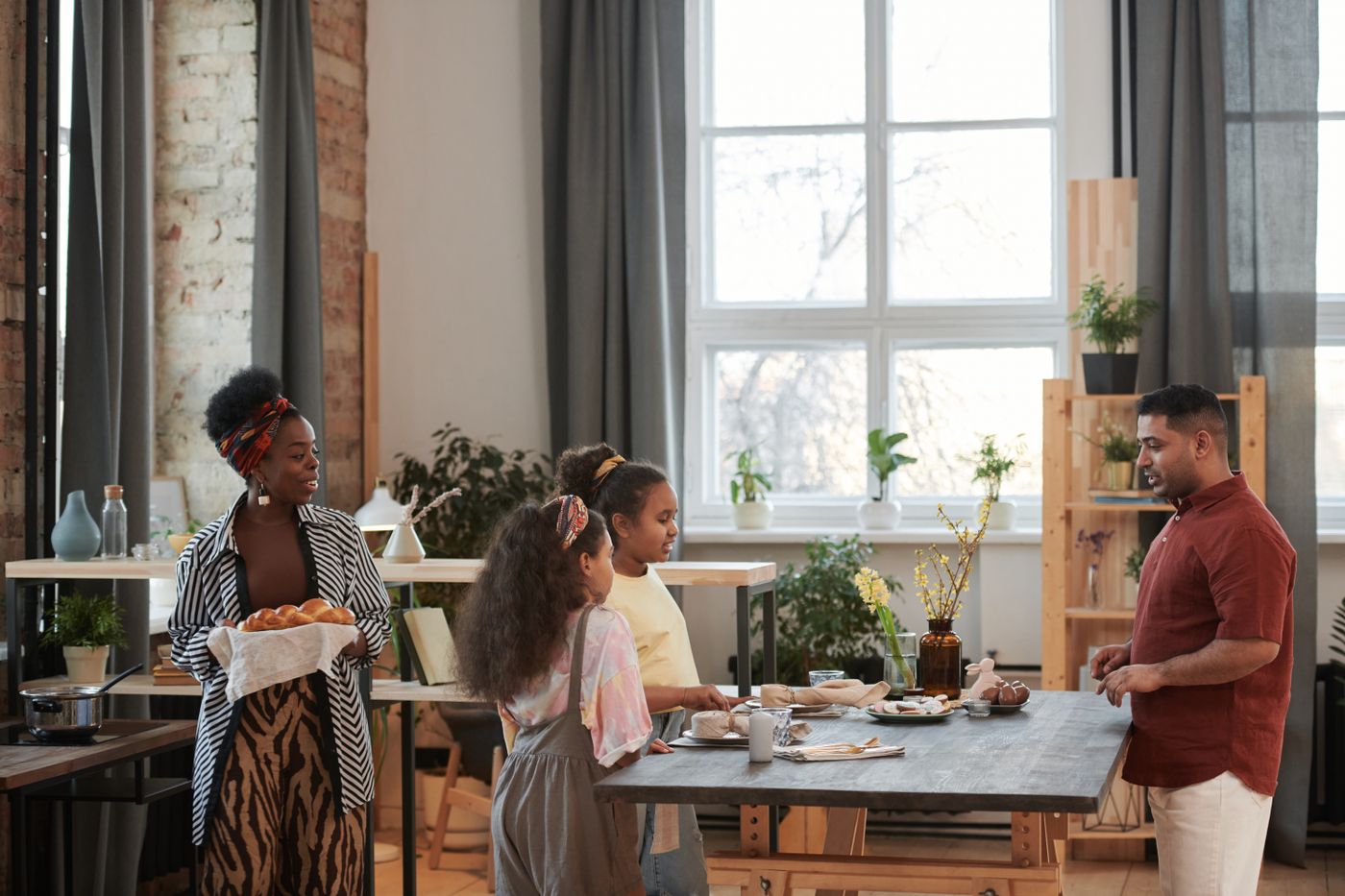
    A family group spending time together indoors
    Illustrative stock photograph; the people pictured are not identified as Jonathan or his family. Pexels source · License.

    By Jonathan Anthony Burkett

    Original reflections | October 30, 2026

    A family visit can be full of affection and still leave someone needing a little quiet. Conversation continues from breakfast through an outing, then resumes while dinner is being prepared. Every pause feels like an opportunity to reconnect. In that atmosphere, leaving the room can look like rejection even when it is simply a wish to sit alone. A visit becomes easier to enjoy when time together includes a recognizable way to step aside and return. Quiet need not be the opposite of belonging; it can be one of the ordinary conditions that make belonging comfortable.

    The situation described here is hypothetical, not a report about my own relatives. Families differ in their homes, routines and ways of showing welcome. An overnight stay, an afternoon gathering and a crowded holiday all require different arrangements. The point is not to prescribe a universal hour of silence. It is to consider how a host and a guest can make a small break understandable before either person has to defend needing it. A little practical clarity can prevent an ordinary preference from becoming an unnecessary judgment about the relationship.

    Put the break inside the plan

    Imagine cousins meeting for a weekend. One wants to visit every place they remember; another would enjoy the outings more with an hour between them. If the only choices are joining everything or seeming ungrateful, the second person has little room to answer honestly. A schedule with an optional interval changes the choice. People can take a walk, read, rest or continue talking elsewhere. Nobody has to announce a problem to participate in the pause. The break is part of the visit rather than an exception granted after visible discomfort.

    Specificity helps. Saying there will be free time after lunch tells people more than promising that the weekend will be relaxed. It offers a point they can plan around. Guests who need to make a call or finish an ordinary responsibility can do so without disappearing unexpectedly. The host can also use the interval. Welcoming relatives does not mean remaining constantly available for conversation, and hosting work should not be concealed behind a performance of effortless enthusiasm. A shared pause can make the day’s practical demands easier to see and distribute.

    Avoid making silence carry a verdict

    Someone who reads quietly in the next room has not necessarily decided the gathering is boring. Someone who wants another conversation has not necessarily decided to ignore boundaries. Different preferences can coexist without being translated into accusations. Ask a concrete question if something needs clarification. Would the person like company later? Are they joining dinner? Do they need the room for a call? These questions address the arrangement. They leave the person free to explain as much or as little as is useful, without proving the depth of their affection first.

    Humor can sometimes make a pause easier, but repeated teasing can also make it costly. If every quiet moment attracts a comment about being antisocial, the permission to step aside is less real than it sounds. Notice the response when a person actually uses the option. A welcoming arrangement is measured partly by what happens at that moment. Does the conversation continue comfortably? Can the person return without interrogation? A simple greeting on their return may do more for closeness than a long declaration that everyone is always free to be themselves.

    Make a modest space usable

    Not every home has a spare room. A quiet interval might mean lowering shared sound, leaving a chair available or allowing someone to take a short walk without assembling the whole group. Discuss what the space can actually offer. Avoid promising privacy where there is none, and do not claim a bedroom or another person’s space on their behalf. A small arrangement that people can rely on is more helpful than a generous promise that becomes impossible once guests arrive. Courtesy includes being honest about the limits of the setting.

    Children’s needs belong in that discussion too, with adults retaining responsibility for supervision and the household’s actual rules. A child can be offered a calmer activity without being described as troublesome for needing a change. Adults should not assume that every child wants to perform, greet every visitor at length or tell the same school story repeatedly. Equally, a quiet interval should not leave one person unexpectedly responsible for all the children. Explain who is supervising and agree before handing over that responsibility. Rest that depends on invisible extra work for someone else is an incomplete plan.

    Leave the return uncomplicated

    A pause is easier to take when rejoining is easy. Let people know when food will be served or where the group will meet next. If plans change, send the updated information directly rather than assuming someone elsewhere in the house will overhear it. This is a practical form of inclusion. A person should not lose their place in the gathering because they accepted an offered break. Keeping them informed says that participation can have a rhythm, with time apart and time together belonging to the same visit.

    Sometimes a guest’s preferences and a host’s expectations remain far apart. A shorter visit or different accommodation may suit everyone better next time. That conclusion does not need to become a verdict on whether the family loves one another. The arrangement may simply ask more than the setting can provide. Discussing those limits after the immediate rush can help. Focus on what would make the next visit workable, including timing, transport and household routines, instead of collecting examples to prove who failed to appreciate whom on this occasion.

    A good visit gives people experiences they can actually enjoy, not merely a schedule they can complete. There may be lively meals, unplanned laughter and a quiet chair for an hour. Making room for that variation asks us to trust that connection can survive a pause. Offer a clear interval, respect its use and make returning easy. Then togetherness does not have to prove itself through uninterrupted conversation. It can become something people choose again after a little space, with enough ease to notice one another when they come back.

    #upstormed #jonathananthonyburkett #jonathanburkett #FamilyLife #ThoughtfulHosting

  • Teach a Family Task Without Taking the Task Back

    A family standing beside a dining table
    Illustrative stock photograph of models, not Jonathan or his family. Andy Barbour / Pexels. Source · License.

    By Jonathan Anthony Burkett

    Original reflections | October 29, 2026

    Someone offers to learn a household task. You begin explaining, notice a slower movement or an unfamiliar method, and reach in to finish it yourself. The job gets done, but the opportunity to learn disappears. Next time, you may wonder why the responsibility still belongs to you. Sharing a task requires more than inviting another person to stand nearby. It requires making the useful knowledge available and allowing the learner to perform enough of the work for that knowledge to become their own.

    This is an original reflection on ordinary, low-risk family tasks, such as sorting a shared cupboard or preparing a table. It is not instruction for dangerous equipment, medical care or any activity that requires qualified training. The examples are hypothetical and do not describe my present household. Within that everyday scope, teaching can be an act of trust. It gives another person a fuller place in a shared routine instead of preserving an arrangement in which one person always knows and everyone else must keep asking.

    Choose a time when learning can happen

    A rushed moment is not always a fair classroom. If guests are arriving in five minutes, you may reasonably need to finish preparing the room. That does not establish that the other person cannot learn the task. It establishes that this particular moment has a tight deadline. Choose another occasion and follow through. Otherwise, the repeated emergency becomes a permanent explanation for why knowledge never changes hands. A calm twenty minutes can be more useful than several tense demonstrations squeezed into the busiest part of a day.

    Begin by explaining the result that matters. If you are sorting a cupboard, the aim may be that everyone can find the daily items and that fragile pieces are stored appropriately. Your exact arrangement may be one way to achieve that result. Distinguish the necessary conditions from the habits you happen to prefer. This makes the lesson more understandable and gives the learner a basis for judgment. They can adapt when a shelf changes instead of trying to memorize a pattern whose purpose was never made clear.

    Ask what the person already knows. A family member may have relevant experience from another home, a workplace or a different task. Being new to your routine does not make them new to all practical reasoning. Let them explain their understanding before delivering a complete lesson from the beginning. You may discover that only one detail needs clarification. Respecting that starting point can keep teaching from feeling like a performance of superiority and turn it into an exchange between people who each bring something useful.

    Demonstrate the hidden decisions

    People who know a task well often omit the part a newcomer most needs. They say to put something in its usual place, although only they know which place is usual. They choose a particular container without explaining why its size matters. Slow down enough to name those decisions. You do not need to narrate every movement. Focus on the information that would let another person complete the work when you are absent. A task has not fully been shared if its essential instructions still depend on your presence.

    Show one manageable part, then let the learner try it. Watching and doing are different experiences. The moment someone begins may reveal a question neither of you thought to ask during the demonstration. Allow that question to improve the explanation. If they pause, ask whether they want a hint, another example or time to think. Instantly supplying the next action can make the task appear to move smoothly while preventing them from deciding anything. Learning sometimes looks slower than a finished routine because it includes the work of understanding.

    When the method differs from yours, return to the agreed result. Is something important being missed, or is the difference merely unfamiliar? If the result is sound, there may be room for another approach. Shared responsibility can require tolerating a cupboard arranged slightly differently from the one in your imagination. This does not mean pretending that every method is equally useful. It means giving a reason for a correction and remaining open to a reason for the alternative, rather than treating personal habit as the whole standard.

    Agree on the next attempt

    One successful lesson does not automatically define a permanent responsibility. Ask whether the person is willing and able to take the task on, how often it is needed and what support remains useful. A child, an adult relative and a visiting guest have different roles. Avoid turning a moment of curiosity into an unexpected lifelong assignment. If the task is becoming part of a shared routine, make that decision explicit. Ownership is easier to understand when the agreement includes the recurring work, not just the first demonstration.

    Make essential instructions easy to revisit. A short note about where supplies belong may be enough. Write it together if that helps identify unclear language. The record should serve the person doing the task, rather than become a list of reasons you can later say they did it wrong. Ask which details they would want to look up again. Their answer may differ from the information you assumed was difficult. A practical reminder is most useful when it addresses an actual point of uncertainty.

    After the next attempt, talk about what worked and what remained awkward. Keep feedback specific to the task. A missed item can be corrected without assigning a family identity such as careless or hopeless. Those labels can outlive the small event that produced them. Likewise, give credit for the real effort and understanding you observed. If the routine needs changing, adjust it together. Teaching succeeds partly when the learner can recognize a problem and propose a workable revision instead of waiting for your verdict on every detail.

    The larger change is in the relationship to the work. A familiar task can stop being private knowledge that one person guards, resents and repeatedly performs alone. Another person gains room to contribute with understanding. That change takes patience from the experienced person and attention from the learner. It may begin with a modest decision to keep your hands back for another moment, explain the reason behind a step and let someone finish. The task can then become shared in practice, rather than shared only in the invitation to help.

    #upstormed #jonathananthonyburkett #jonathanburkett #FamilyLife #LearningTogether

  • A Family Decision Can Have More Than One Kind of Cost

    A family standing beside a dining table
    Illustrative stock photograph of models, not Jonathan or his family. Andy Barbour / Pexels. Source · License.

    By Jonathan Anthony Burkett

    Original reflections | October 26, 2026

    A family plan can be described as easy because the visible expense is small. Yet someone still has to arrange the transport, remember the details, prepare the space or give up the only quiet part of a busy day. Those demands may not appear in the first conversation about whether the plan is affordable or convenient. Naming them does not mean refusing to do things together. It means making a decision with a fuller picture of what participation asks from the people whose agreement will make the plan possible.

    This is an original reflection on shared decisions, not a description of my current household or financial advice. The examples are hypothetical and concern ordinary gatherings, visits and activities. Different families have different resources, relationships and responsibilities. A single formula will not make every decision fair. A useful conversation can nevertheless begin by recognizing that price, time, effort, privacy and flexibility are distinct considerations. Someone who can manage one part of the plan may have a genuine difficulty with another part that has not yet been discussed.

    The easiest option depends on who carries it

    Imagine deciding to meet at one person’s home because it avoids the cost of going out. That may be a welcome arrangement. It may also create preparation and cleanup for the host. Before calling it the simple option, ask what hosting would involve and whether the person actually wants to do it. A familiar home is not a permanently available venue. The person who lives there should have a meaningful choice about when and how it becomes a shared space, even when everyone involved loves spending time together.

    Travel offers another example. A location that is near one household may be a substantial journey for another. A short visit can require a long period away from home, particularly when several connections or practical arrangements are involved. Let the people making that journey explain it rather than deciding from a map that the distance looks manageable. The relevant question is not whether someone else has traveled farther before. It is whether this particular plan fits the actual day and the people being asked to take part.

    Preparation can also be less visible than attendance. One person may answer a stream of questions, coordinate changing numbers and remember a detail that would otherwise be forgotten. If that work matters to the event, give it a name in the discussion. Do not assume that someone enjoys it because they are good at it or have done it before. Skill can make a task look effortless from outside. Asking about capacity gives the person a chance to distinguish willingness from a habit of quietly filling every gap.

    Ask for the constraint before proposing the repair

    When someone says a plan is difficult, let them explain which part creates the problem. They may need a different time, a shorter visit or an option that does not require hosting. A quick offer to pay for something may miss the issue if the main cost is time or energy. The intention to help is useful, but the proposed solution needs to meet the stated constraint. Listening first can avoid turning one person’s practical difficulty into a debate about why your first solution ought to be enough.

    A person may prefer not to explain every private detail behind a limit. Respect a clear statement about what they can manage without requiring a complete account of their week or personal circumstances. You can still ask practical questions needed to plan responsibly. There is a difference between clarifying an arrangement and demanding evidence that someone deserves an accommodation. The family conversation becomes easier when people can state a boundary at a useful level of detail and trust that it will not immediately be treated as an argument to defeat.

    Consider several versions of the plan before assuming the choice is between full participation and absence. A shorter gathering, a different host, a simpler meal or a separate chance to connect may meet the underlying wish. These are possibilities, not instructions that any particular family must follow. The important move is to identify what everyone actually hopes the plan will provide. If the purpose is time together, a complicated arrangement may be negotiable. If one feature is essential, name it so the decision can be made honestly.

    Shared work should come with a real choice

    An offer to divide the tasks is useful only if the division becomes specific enough to act on. Agree on who will do what and when, including what happens if a person’s circumstances change. Do not announce that everyone will help and leave the host to discover later what that means. At the same time, avoid assigning another person’s contribution before asking. Shared responsibility is not created by distributing instructions to people who have not had a chance to say what they can offer.

    Fairness does not always require identical contributions. People may participate in different ways according to their circumstances and preferences. One might bring something, another might help arrange transport and another might simply attend for a shorter period. The arrangement should be understood rather than silently scored. A gathering can become uncomfortable when every contribution is treated as evidence in a continuing contest about who cares most. Practical clarity can protect generosity from becoming a comparison whose rules nobody agreed to in advance.

    Afterward, ask which parts worked and which were harder than expected. Keep the question open enough that a pleasant gathering can still contain useful feedback. Someone may have enjoyed seeing everyone while finding the preparation excessive. Those statements can coexist. Acknowledging the strain does not erase the good part of the occasion. It helps the next plan draw on actual experience instead of treating a successful photograph or a cheerful goodbye as proof that every part of the arrangement was equally easy for everyone.

    Family decisions become more considerate when their costs can be discussed without embarrassment. The point is not to turn affection into an account book or require every effort to be repaid exactly. It is to let the people involved describe what the plan asks of them, then choose together with that knowledge present. A practical change may preserve more of the enjoyment than a determined attempt to keep the original arrangement. Time together has room to become warmer when the work of making it happen is no longer invisible.

    #upstormed #jonathananthonyburkett #jonathanburkett #FamilyLife #SharedDecisions

  • A Family Nickname Can Be Loved and Still Be Outgrown

    Family members standing near a table indoors
    Illustrative stock photograph. These models are not Jonathan’s family. Andy Barbour / Pexels. Source · License.

    By Jonathan Anthony Burkett

    Original reflections | October 25, 2026

    A nickname can carry a whole room of affection. Someone says it and remembers a small child, a familiar habit or an ordinary moment the family has kept retelling. The person being called by it may remember something else. They may enjoy the name privately but dislike hearing it in front of friends, or they may have grown away from it altogether. A family can honor what a name once meant while listening to what the person wants now. Affection does not lose its history because its expression needs to change.

    This is a new reflection on everyday family language, not an account of a nickname used in my own household. It does not make claims about a particular child’s development or offer clinical guidance. The question is practical: when someone asks to be addressed differently, can the family hear that request without treating it as a rejection of everyone who used the old name lovingly? The examples concern ordinary preferences and the small adjustments through which a relationship can remain attentive as people grow and circumstances change.

    Ask about the name’s present setting

    A person may not want a nickname abolished everywhere. They might welcome it from one relative and prefer another name in public. Ask what they mean before turning the conversation into an argument about whether the nickname is good or bad. The useful answer concerns the actual setting and audience. A name spoken warmly at home can feel different when announced across a classroom or attached to an online photograph. The person hearing it is entitled to notice that difference even when the speaker intends the same affection in both places.

    Let the answer be specific. Would you prefer I use your name when your friends are here? Is the nickname still comfortable in a private message? These questions give the person a choice they can understand. They also help the relative avoid guessing at a rule and becoming resentful when the guess is wrong. A clear agreement can be simpler than a broad debate about respect. It concerns what people will call one another in an ordinary encounter, where a small change can make the interaction easier.

    A request is not an accusation against the past

    Someone who has used a nickname for years may feel surprised or sad when it is no longer welcome. That feeling can be acknowledged without making the person requesting the change responsible for removing it. The name may have belonged to a cherished period of family life. It can remain part of that memory even when it is retired from current conversation. Growing does not require a person to keep providing the exact version of themselves that another relative most enjoys remembering.

    Avoid answering the request with a list of everything the family has done for the person. A preference about being addressed is not a test of gratitude. Nor should a child have to present an elaborate case before an adult considers an ordinary change. Listening can be straightforward: you have told me what you prefer, and I will try to use it. That response leaves more room for affection than an argument in which the young person must prove the nickname has caused enough discomfort to justify being heard.

    Keep the joke from becoming the answer

    A nickname often survives because it makes other people laugh. If the person addressed no longer enjoys it, explain that to yourself honestly rather than insisting everyone is having fun. The laughter of a group cannot establish the comfort of its subject. A family can keep its sense of humor while choosing jokes that do not depend on one person accepting a role they no longer want. Changing one familiar habit is not the same as losing the ability to be playful together.

    Be especially careful about making the request itself into a joke. Repeating the nickname in an exaggerated tone after someone asks you to stop may seem lighthearted to the speaker. It also demonstrates that the answer was heard and then deliberately set aside. A quiet adjustment is usually more respectful than announcing to the whole group that someone has become too grown-up for their old name. The person does not need a public ceremony around a preference that could have been accommodated in a sentence.

    Mistakes can be corrected without a performance

    An old habit may return accidentally. Correct yourself briefly and continue. A long explanation of how difficult the change is can make the person feel they must reassure you each time. Consistent effort matters more than a dramatic apology. If you keep forgetting in a particular setting, find a practical reminder rather than expecting the other person to accept endless repetition as proof that the original affection was strong. The relationship is being expressed now through attention, not only remembered through the habit.

    Other relatives may need to hear the preference too, but the person concerned should have a voice in how it is communicated. Ask whether they want to say it themselves or would welcome support. Do not turn a private request into a family announcement without considering the audience. The aim is to make everyday interactions more comfortable. The method should serve that aim rather than creating a larger conversation about the person’s identity that they never asked to have in public.

    Let affection find another expression

    A retired nickname leaves room for other forms of closeness. Use the person’s chosen name warmly, ask about their current interests and notice the person they are becoming. These actions do not erase the older memories. They connect affection with present attention. A relationship can hold continuity without requiring identical language at every stage. The family story still includes the child once known by the nickname, while the current conversation makes room for the person who has asked to be recognized differently.

    The useful question is not whether the nickname was originally loving enough to deserve permanent use. It is whether the love it carried can listen. A name may be remembered fondly and spoken less often, reserved for a particular private setting or set aside entirely. Let the person addressed help decide. Family language is one of the everyday places where growing can be acknowledged without a major announcement. Sometimes a small change in what we call someone is a clear way of showing that we are still paying attention to who they are.

    #upstormed #jonathananthonyburkett #jonathanburkett #FamilyLife #GrowingUp

  • When Family Memories Differ, Keep the Difference in the Story

    Family members standing near a table indoors
    Illustrative stock photograph. The models are not Jonathan’s family. Andy Barbour / Pexels. Source · License.

    By Jonathan Anthony Burkett

    Original reflections | October 24, 2026

    One relative remembers a long journey. Another remembers arriving quickly. Someone is certain the meal happened on a Sunday; someone else places it during a holiday. A family story can become an argument before anyone has finished telling the part they wanted to share. There may be a fact worth checking, but there may also be several experiences worth preserving. Recording the difference can be more honest than forcing every person into a single polished version. A shared history does not have to sound as though one person witnessed it for everyone.

    This article offers a new reflection on ordinary family storytelling. It does not describe an event in my own family or make clinical claims about memory. It also does not suggest that a serious account of harm should be dismissed as merely another version of a pleasant occasion. The examples concern everyday recollections and the practical choices involved in saving them: what to ask, what to verify and how to represent disagreement without inventing certainty or turning a family conversation into a contest.

    Begin by asking whose recollection you are hearing

    A useful account can identify its speaker. Rather than writing that everyone was delighted, say who remembers feeling delighted and what they recall enjoying. The change may seem small, but it stops one person’s emotional response from becoming a statement about the whole group. Someone who was busy preparing the occasion may remember work where a guest remembers leisure. Both details can belong in the story without requiring either person to pretend the day had only one meaning.

    Let the speaker finish before inviting corrections. Interruptions can shift the purpose from remembering toward defending. You can note a question and return to it after the account is complete. Ask what the person saw, heard or did, rather than requesting an immediate explanation of what everyone else must have thought. A remembered action and a later interpretation are different kinds of material. Both may be interesting, but keeping them distinguishable gives the reader or listener a clearer sense of what is actually being offered.

    Give checkable details a different place from personal impressions

    A photograph, dated letter or calendar entry may help establish when an event happened. If you use one, record what it supports rather than asking it to settle every part of the story. A date written on a photograph does not prove how everyone felt that afternoon. A smiling face does not explain what happened before or afterward. Evidence becomes more useful when its limits are clear. It can correct a specific detail while leaving the rest of the recollection open to the person who lived it.

    Sometimes no surviving record settles a difference. In that case, uncertainty can remain visible. One person places the visit in one year and another remembers it differently is a complete and honest sentence. There is no need to choose the account delivered with the most confidence simply because a family album looks neater without a question mark. If a later discovery clarifies the date, you can add it with a note. Until then, a transparent gap is preferable to a detail supplied only to make the story flow.

    Preserve the words without turning every pause into a performance

    If you record a conversation, explain what you intend to do with the recording and ask before sharing it beyond the agreed audience. A person may welcome having a story saved privately while preferring not to appear in a public video. Those choices do not contradict each other. When preparing a transcript or caption, avoid adding a dramatic motive to an ordinary hesitation. A pause may simply be a pause. The story does not need invented tension to deserve attention.

    Editing also changes the shape of an account. Removing repetitions can improve readability, but cutting away a qualification may make the speaker sound more certain than they were. If the person said they thought something happened, preserve that uncertainty. Where practical, let them review the edited version before it is distributed. The purpose is to represent their recollection fairly, not to produce the most impressive performance of their voice. A family archive can be clear without pretending the original conversation arrived fully organized.

    Do not require a relative to be the family’s permanent narrator

    Some people enjoy telling familiar stories. Others may be tired of being asked for the same account or may want to talk about a different part of their lives. An invitation should include that freedom. Knowing a story well does not create an obligation to retell it at every gathering. Ask whether the person wants to speak and whether there is something else they would prefer to remember. A collection becomes richer when it includes the subjects people choose, not only the ones listeners have come to expect.

    Younger family members can contribute questions without being assigned the job of resolving every disagreement. Let them notice differences and ask for clarification. They do not have to decide which adult wins. The conversation can model a less combative approach: identify the source, check what can be checked and leave room for distinct perspectives. If the exchange becomes uncomfortable, it can stop. Preserving history is a worthwhile purpose, but it does not require finishing a recording at the expense of the people in the room.

    A version can have a name and a date

    A simple label may do more good than a lengthy introduction. Note who told the story, when it was recorded and whether it was edited. If another person contributes a different recollection later, keep it alongside the first rather than silently replacing it. A reader can then understand that the collection grew through several conversations. This is especially useful when the story will pass to people who were not present and cannot rely on the family’s informal knowledge of who remembers which part.

    A family history can remain warm while admitting that its details do not all line up. Affection does not require uniform recollection, and disagreement does not make the effort to remember pointless. Save the speaker’s perspective, distinguish evidence from impression and give uncertainty an honest place. The resulting story may be less tidy than the version told most loudly. It may also be more welcoming, because another relative can recognize their experience within it without first having to erase someone else’s.

    #upstormed #jonathananthonyburkett #jonathanburkett #FamilyStories #FamilyLife

  • Before Posting a Child’s Photograph, Invite an Answer You Will Respect

    Family members standing near a table indoors
    Illustrative stock models, not Jonathan or his family. Andy Barbour / Pexels. Source · License.

    By Jonathan Anthony Burkett

    Original reflections | October 23, 2026

    A family photograph can feel like an obvious thing to share. The adults remember the occasion fondly, the picture looks cheerful and relatives would enjoy seeing it. Yet the child in the image may experience the choice differently. They may dislike that particular expression, want the moment kept within a smaller circle or simply not want a photograph posted that day. An ordinary family decision can make room for that preference without becoming a confrontation. The useful question is whether the invitation to answer includes a real possibility that the adult will change the plan.

    This is a new reflection about considerate family sharing, not a description of my own household and not a legal guide to children’s privacy. Adults remain responsible for decisions about a child’s welfare. Asking for a preference does not transfer that responsibility to the child or make every proposed post appropriate. It can, however, establish a small habit of respect: the person pictured has a perspective worth hearing, even when the person holding the phone sees nothing embarrassing in the image.

    Show the actual choice

    A general question about whether someone likes photographs may be too broad to help with a particular post. Show the image you are considering and explain, in language the child can understand, where you intend to share it and who you expect to see it. Distinguish taking a photograph from distributing it. Someone may enjoy looking at a family picture privately while feeling differently about putting it on a public page. Treat those as separate decisions rather than assuming that smiling for the camera settled everything that comes afterward.

    Avoid making the question sound like a test of affection. A child should not have to demonstrate love for a grandparent by agreeing to a post. Nor should their hesitation become evidence that they are ungrateful for the occasion being celebrated. The photograph and the relationship are different things. If the purpose is to let a relative know that an event went well, a message without an image may serve that purpose. There is often more than one way to include someone in family news.

    Make refusal ordinary enough to use

    An invitation is difficult to trust if a negative answer is followed by repeated persuasion. Asking again in a more disappointed voice does not make the second answer freer. When a child expresses discomfort, pause the posting plan and consider an alternative. You might choose a different image together, share a picture of the finished activity without showing a face or keep the moment offline. The point is not to find the fastest route around the original answer. It is to show that the answer affected the decision.

    Adults can model this without turning the exchange into a public lesson. There is no need to announce that a child refused or to make their preference the subject of a caption. A quiet adjustment may communicate more respect than a performance of how respectful the adult has been. If other relatives ask why a particular photograph was not shared, a simple statement that the family chose another option can be enough. Personal preferences do not need to become entertainment for the group.

    A caption is another part of the picture

    An image may be welcome while the story attached to it is not. Before writing a caption, separate what happened from the private interpretation you are tempted to add. A photograph of a child completing an activity does not establish their future career, emotional state or opinion of everyone present. Let the description remain close to what you actually know. If the child is old enough to contribute, ask what they would like the moment to be called rather than supplying an identity they did not choose.

    Be especially thoughtful about turning a mistake into a funny family story. The adult may expect the child to laugh along because the event seems harmless from an adult perspective. The child may still feel exposed. Humor does not require a person to surrender the right to dislike being its subject. A useful pause asks whether the joke depends on another person’s discomfort and whether the same warmth could be expressed through a detail that does not place them in that position.

    Shared albums need shared expectations

    Private distribution also benefits from a clear agreement. When sending a photograph to a small group, say whether you want recipients to ask before passing it along. Do not promise a child that an image can never travel further than intended; explain the choice honestly and keep the audience proportionate. An agreement about sharing is useful only when the people receiving the image understand it. If a relative repeatedly ignores the arrangement, reconsider what you send rather than asking the child to accept the resulting discomfort as inevitable.

    Families may differ about how much they share, and those differences can be discussed without treating one person as unreasonable. An adult who enjoys frequent updates may see inclusion where another adult sees overexposure. Bring the discussion back to the actual purpose, audience and person pictured. A smaller, clearer agreement is often more workable than an argument about whether sharing photographs is always good or always bad. The decision concerns this image and this context, not every possible family habit.

    Let preferences change

    A photograph someone welcomed earlier may feel different later. If a child asks about an older post, listen before defending the original decision. Discuss what can practically be changed on the account you control, while being honest about what you cannot guarantee elsewhere. A willingness to reconsider is part of respect. It shows that a person’s past agreement is not a permanent obligation to feel the same way about an image as they grow and their sense of themselves changes.

    Family photographs can hold affection without becoming proof that everyone must welcome the same kind of visibility. Before posting, show the real choice, invite an answer and be willing to adjust. These actions do not make an adult less proud or a memory less meaningful. They give the relationship a place in the decision about how the memory is shared. Sometimes the most caring thing attached to a photograph is the public caption. Sometimes it is the private conversation that leads the family to keep it for themselves.

    #upstormed #jonathananthonyburkett #jonathanburkett #FamilyLife #ThoughtfulSharing

  • A Long-Distance Family Call Can Be Small and Still Matter

    A family gathered near a table in a home
    Illustrative stock models, not Jonathan or his family. Andy Barbour / Pexels. License.

    By Jonathan Anthony Burkett

    Original reflections | October 22, 2026

    A call with family can become difficult to begin when it seems to require a complete report of everything that has happened since the last one. There are too many updates, too little time and a feeling that an ordinary conversation will not be enough. The delay grows, and the next call feels even larger. A different possibility is to let a short conversation have its own value. A connection across distance need not become a major occasion every time it is renewed.

    This is an original reflection, not a description of my current family arrangements. Consider an imagined pair of relatives living far apart, with different work hours and no shared daily routine. They want to remain connected, but their attempts keep colliding with the expectation of a long catch-up. Neither knows how to fit that expectation into an ordinary week. The relationship may benefit from a smaller agreement that they can actually keep, with room to change it when circumstances change.

    Give the conversation a realistic size

    A specific invitation can reduce the uncertainty. Ask whether there is a convenient time for a brief call and be honest about your own availability. Do not announce a short conversation and then treat the other person’s need to finish as a rejection. The time boundary should mean what both people understand it to mean. A dependable ten minutes can create more ease than a vague promise of an unlimited conversation that repeatedly fails to happen.

    There is no universal ideal frequency. Some relatives enjoy frequent contact; others prefer more space. The useful arrangement is one that the people involved can discuss without having to prove affection through identical habits. A quiet week does not necessarily mean that someone cares less. Nor should one person’s preference automatically become the rule for everyone else. Ask what is workable, listen to the response and leave room to revisit the agreement.

    Practical details deserve attention before they become recurring frustration. Check the time difference, the preferred way to connect and whether someone will need a quieter setting. If a video call makes a person uncomfortable or is difficult to use, another format may be more welcoming. The goal is an encounter between people, not successful participation in a particular technology. An accessible arrangement should follow the relationship rather than making the relationship serve the arrangement.

    One ordinary detail can open a door

    A short call does not have to carry every unresolved subject. It can begin with something particular: a meal cooked, a book started, a small change in the neighborhood or an object that prompted a memory. These are possible openings, not scripts that guarantee closeness. Their usefulness lies in giving the other person something concrete to respond to. What seems unremarkable to the speaker may help a relative imagine the texture of a day they cannot witness.

    Curiosity can continue without turning the call into a checklist. Follow the detail the person chooses to share. Ask what interested them rather than immediately comparing it with an experience of your own. There will be time for your account too, but the first response can show that their story has actually arrived. A conversation across distance becomes more personal when it contains attention to this person, rather than a sequence of updates that could have been delivered to anybody.

    Silence does not always need to be repaired with another question. Someone may be thinking, tired or uncertain about what to say. A little patience can be kinder than filling every space. At the same time, do not assume that silence tells you a hidden emotional truth. Ask gently if the timing is still convenient. A short conversation that ends considerately can leave more room for the next one than a call extended beyond both people’s attention.

    Keep care separate from constant access

    Being related does not mean that everyone can be available on demand. A missed call may have an ordinary explanation, and a message may arrive during a crowded day. Agreeing on how to communicate about practical urgency can reduce the need to guess. An important immediate matter should be described clearly rather than hidden in a string of increasingly anxious messages. The recipient can then understand what is being asked and respond within the real circumstances of their life.

    Privacy belongs in the conversation as well. A relative may wish to share an update with one person without having it repeated to the wider family. Ask before forwarding a photograph, recording a call or passing on a personal detail. The ease of sharing something does not establish permission to circulate it. Trust across distance can depend on small acts of discretion, especially when a person cannot be present to explain their own story after it travels.

    A canceled conversation can be handled without turning it into a measure of the whole relationship. Name the change, offer another possibility if you can and avoid promises made only to end the awkwardness. Repeated difficulty may call for a new arrangement. That is different from demanding a convincing excuse every time a plan moves. The aim is to build a form of contact that people can sustain, with enough honesty to acknowledge when the current form does not work.

    After the call, one brief follow-up may be enough: the title of the book discussed, a photograph someone asked to see or a simple expression of appreciation. It does not need to become another stream of obligations. Keep the gesture connected to what was actually said. The conversation then leaves a small trace of attention, something that belongs to the people who shared it rather than to a general rule about how families should communicate.

    Distance can make contact more deliberate, but deliberateness need not make it heavy. A small call can contain a laugh, a question answered or a clearer sense of how somebody is doing. Let those moments count. The relationship does not have to be summarized every time the phone connects. Sometimes the most useful invitation is the most manageable one: a little time, honestly offered, with enough room for the other person to be themselves.

    #upstormed #jonathananthonyburkett #jonathanburkett #FamilyLife #LongDistanceFamily

  • A Family Recipe Can Carry a Memory Without Becoming a Test

    People gathered around a table in a home
    Illustrative stock photograph; these models are not Jonathan or his family. Andy Barbour / Pexels. License.

    By Jonathan Anthony Burkett

    Original reflections | October 21, 2026

    A familiar dish can bring a family story to the table before anybody begins telling it. Someone remembers a person who used to prepare it. Another notices a missing ingredient. A younger cook may know the name but have no memory of the version everybody else is comparing it with. The meal can become a meeting between different experiences of the same recipe. It becomes harder to enjoy when one version is treated as an examination that the person cooking today must pass.

    I am not adding a new memory about my own family here. This is an original reflection on a situation readers may recognize in their own households. A recipe can carry affection and still need to fit a different kitchen, budget, ingredient supply or preference. The question is how to preserve what matters without making another person’s effort disappear beneath a comparison. A conversation about food can make room for history and for the person standing at the stove now.

    Ask what the recipe means before deciding what must stay

    If a dish matters to someone, invite them to describe the association. Perhaps it marks a gathering, a season or a person they miss. Their answer may concern the occasion as much as the exact preparation. Another person may care most about a particular flavor or texture. Those are different kinds of attachment. Understanding which one is present can make a discussion about a change more useful than beginning with the assumption that every detail must remain fixed.

    Memory should be attributed carefully. Someone may remember an ingredient clearly but be unsure about the amount. Another may know a technique without knowing where it came from. When recording the recipe, preserve those distinctions. A note can identify who supplied a detail and which parts remain uncertain. There is no need to invent precision because a recipe card looks unfinished without it. The uncertainty can become an invitation to cook, compare and ask more questions together.

    It also helps to separate a person’s recollection from a universal claim about authenticity. A family can have several versions because people learned in different places or adapted over time. That observation does not mean every difference must be ignored. It means the discussion can identify whose version is being described. A recipe called the one we remember from a particular relative gives a reader more context than a confident claim that no other preparation could possibly belong.

    Make the invitation to cook workable

    Someone agreeing to prepare a dish should understand what is being asked. Is the family hoping to reproduce a written recipe, try a remembered version or create something inspired by it? Those are different projects. A person may be willing to cook without wanting to take responsibility for recovering the exact experience everybody else remembers. Clear expectations give them a chance to answer honestly before time and ingredients have already been committed.

    Discuss practical needs without turning them into a contest over devotion. If an ingredient is unavailable or the available kitchen is different, ask what adaptation would work. A person’s dietary needs or preferences should not require an argument about whether they respect the family. The specific choices belong to the people preparing and eating the meal. The purpose of this reflection is communication, not nutritional advice or an instruction about what anybody should consume.

    The work can also be shared. One person might gather the written information while another asks a relative a question or prepares the table. Make those offers explicit rather than assuming the most experienced cook will organize everything. Appreciation for someone’s skill should not become a permanent assignment. A recipe may be associated with one person, but a gathering can acknowledge the many contributions that allow the food and the people to arrive together.

    Let comparison become a conversation

    At the table, a remembered difference can be mentioned without delivering a verdict. Saying that you recall a particular flavor offers information. Declaring that the dish has been ruined may close the conversation before the cook can explain what they were trying. The way the observation is offered matters because the meal contains present effort as well as remembered meaning. A person can miss an earlier version and still recognize the care involved in making this one.

    Ask the cook whether feedback is wanted and what kind would be useful. An experimental reconstruction may invite detailed notes. A meal prepared simply to welcome people may call for a different response. Neither situation requires dishonest praise. It requires understanding the occasion before treating another person’s work as an open request for evaluation. The family can talk about a recipe without making the person who prepared it defend their place at the table.

    Children and newer family members can contribute observations without being required to share memories they do not have. Invite them to say what they notice, or let them enjoy the meal without giving a report. A tradition remains more open when participation is not measured by the ability to repeat somebody else’s nostalgia. New associations can grow beside older ones. The dish may continue to mean something even as the people around it encounter it differently.

    If the recipe is written down afterward, include the version actually prepared and any changes the cook wants recorded. Keep the earlier account too if its source is known. A small collection of attributed versions may be more useful than a single document in which every disagreement has been silently resolved. The record can show how the family has cooked and remembered, without declaring that development is a failure to preserve the past.

    A family recipe can be a way of carrying a story, but it does not have to become a test of loyalty or competence. Ask what people remember, clarify the practical invitation and allow the meal to belong to its present occasion. Someone may recognize a familiar taste. Someone else may encounter the dish for the first time. Both experiences can have a place at a table where remembering another person does not require overlooking the person who cooked today.

    #upstormed #jonathananthonyburkett #jonathanburkett #FamilyLife #FoodAndMemory

  • Before Passing On a Family Keepsake, Make Room for the Other Story

    People gathered around a table in a home
    Illustrative stock photograph; the models are not Jonathan or his family. Andy Barbour / Pexels. License.

    By Jonathan Anthony Burkett

    Original reflections | October 20, 2026

    A family object can look ordinary until someone proposes moving it. A bowl in a cupboard, a small table or a box of handwritten cards may have been part of the background for years. Then a plan to give it away reveals that different people have been keeping different stories around the same thing. One person sees clutter. Another remembers who used it. A third may have assumed that somebody else wanted it and said nothing.

    The disagreement is not always about the object alone. It may concern who was asked, what was remembered or whether a decision was made before anyone understood its significance. This reflection offers a way to slow that conversation without requiring every household item to become a permanent monument. People need room to change their homes. They can also make that change with more attention to the meanings they do not yet know.

    Ask before assuming silence means indifference

    Start with the particular object and the decision being considered. Explain whether it needs to move, whether someone has offered to take it and when a choice has to be made. A general announcement that everything is being cleared out may produce anxiety without giving people a manageable question. A specific description lets someone respond to the actual situation rather than guessing which objects or memories are at risk.

    Then leave a reasonable opportunity for an answer. A person who is not present in the room may not know that the conversation is happening. Their absence does not automatically mean they have no interest. This is an ordinary family communication suggestion, not a statement about legal ownership or anyone’s entitlement. Where ownership is uncertain, that question needs to be clarified rather than decided through whichever relative speaks most confidently.

    Silence can also reflect uncertainty about what keeping the object would involve. Someone may care about it and have no place to store it. They may need measurements, a photograph or time to consider transport. Asking what information would help can move the conversation beyond a simple test of whether the person cares enough to say yes immediately. Affection and practical capacity do not always arrive in the same answer.

    Let several memories exist around one thing

    If someone explains why an object matters, listen before correcting the memory into the version you know. Families can encounter the same object at different times and in different roles. A table might remind one person of meals and another of homework. Those associations do not have to compete for the right to exist. The conversation can become more interesting when each person describes what they remember without claiming that everybody must remember it identically.

    There may also be uncertainty. Someone may think an object came from a particular relative but not be sure. Record the uncertainty if the story is written down. A note saying that an attribution is unconfirmed is more useful than turning a guess into a permanent family fact. A later discovery can then add information without forcing someone to dismantle an account that was presented with more certainty than the evidence justified.

    Do not require personal disclosure as the price of being heard. A person may say that something is important without wanting to tell every related story in a group conversation. They can be asked what arrangement they are proposing while keeping private details private. The practical decision still needs to be made, but it does not require the whole family to receive access to every memory attached to it.

    Separate preserving a story from storing every object

    Sometimes the meaning can be recorded even when the object cannot remain. A photograph, a brief written note or an account freely shared by the person who remembers may preserve part of its history. This is an option, not an instruction to discard whatever can be photographed. The people involved can decide whether the record is enough for them. An alternative should be considered as an alternative rather than imposed as proof that attachment is unreasonable.

    The record can remain simple. Identify the object, who supplied the memory and what is known about its use. Avoid inventing an exact date because a page looks incomplete without one. If more than one account exists, keep their attributions clear. The value lies in creating a route back to the people who told the story, not in producing a polished certainty that erases the differences between their recollections.

    If a keepsake is passed on, discuss the practical expectations. Is the recipient accepting a gift, temporary storage or responsibility for returning it later? Those are different arrangements. Vague language can leave one person believing they may use the object freely while another believes it must remain unchanged forever. A clear conversation now can prevent affection from turning into an obligation nobody knowingly agreed to carry.

    Allow a thoughtful ending to the conversation

    A decision may still disappoint someone. Taking time to listen does not guarantee that every wish can be met. What it can do is make the decision less dependent on assumption. Explain what has been agreed, who will handle the next step and whether a record of the object’s story will be kept. The practical conclusion deserves as much clarity as the invitation to share memories.

    Afterward, resist using the result as a measure of who loves the family most. The person who cannot keep an object may still care deeply about its history. The person who wants it may have reasons that are difficult to summarize. Household space, memory and attachment do not fit neatly into a competition over loyalty. A considerate exchange leaves people with a decision, rather than a new label they must live under.

    Passing on a keepsake can be a small moment in the life of a family, yet small moments often reveal how decisions are made. There is room to ask, listen, clarify and choose without keeping everything forever. The object may move to another home or leave the household altogether. The care shown in the conversation can remain part of its story, because the people around it were given a chance to be heard.

    #upstormed #jonathananthonyburkett #jonathanburkett #FamilyLife #FamilyStories

  • An Invitation Becomes More Welcoming When People Can Help Shape It

    People gathered around a table in a home
    Illustrative stock photograph; these models are not Jonathan or his family. Andy Barbour / Pexels. License.

    By Jonathan Anthony Burkett

    Original reflections | October 19, 2026

    A family invitation can be affectionate and still be difficult to accept. The host may imagine a relaxed afternoon while a guest is trying to work out transport, an early shift the following morning or whether a child will have somewhere to sit comfortably. None of these details automatically means that the invitation is unwelcome. They mean that joining other people happens inside a real life. A warmer invitation makes room for those practical realities before treating attendance as proof of love.

    I want to think about hospitality as a conversation that begins before anybody arrives. The person organizing a gathering does not have to anticipate every possible need alone. Guests should also have a way to explain what would help. When the plan has a little room to change, more people can take part in shaping an occasion they are being asked to enjoy. That shared role can be modest, specific and entirely ordinary.

    Explain what the invitation actually involves

    An invitation becomes easier to consider when it includes a clear beginning, a likely ending and an honest description of what is planned. A meal is different from an afternoon of helping with a household project. A short visit is different from an open-ended celebration. Giving those details does not remove spontaneity. It lets people decide what they can reasonably offer without having to guess at the expectations hidden behind a friendly message.

    It can also help to distinguish what is fixed from what is flexible. Perhaps the date cannot change, but the meal can be served earlier. Perhaps the room is small, but a quieter visit on another day is possible. Naming that flexibility gives guests something concrete to respond to. Otherwise, a person may decline an entire invitation because one part of it seems impossible, even though a small change could have made participation comfortable.

    The same clarity is useful when asking for help. If you want someone to bring food, say what would be helpful and whether it is optional. If you hope people will assist with setting up, ask rather than assuming that the earliest arrival has volunteered. Warmth is easier to sustain when people understand what they are agreeing to do. Surprises can be delightful; unexpected duties are a different kind of surprise.

    Ask a question that has a usable answer

    A broad offer to accommodate everybody can sound generous while leaving guests uncertain about what to say. A more practical question might ask whether the proposed time works, whether the food needs discussing or whether there is something about the space that would make the visit easier. These are invitations to share relevant information. They do not require someone to explain their entire personal situation in order to request a small adjustment.

    Privacy matters here. A guest may be willing to discuss a need with the host but not with a family group chat. Leave a private route for that conversation. If an arrangement changes, explain the change without announcing another person’s circumstances. Hospitality does not become more thoughtful by turning someone’s request into a public account of why they are different. The aim is to make participation possible with dignity.

    Be honest about limits as well. A host may not be able to change a room or provide every kind of food. That can be said respectfully. The conversation can then explore another time, a shorter visit or a contribution the guest is comfortable making. A clear limit is more useful than an enthusiastic promise that will not be kept. People can work with accurate information more easily than with reassurance that disappears on the day.

    Leave people a way to participate partly

    Attendance does not always have to mean staying for the whole occasion. Someone might join for the meal and leave before evening, or visit briefly between responsibilities. If that works for the gathering, make it clear that a shorter visit is welcome. It gives people an option between full participation and complete absence. The time they can offer can then be appreciated for what it is rather than measured against an imagined perfect visit.

    A person who cannot attend may still want a small connection. Ask before arranging a video call or putting a phone in front of the whole room. A surprise call can arrive at an awkward moment, and a brief private message may be more welcome. Participation should remain an invitation at each stage. Being missed can feel affectionate without becoming a demand to demonstrate availability on another device.

    Children also benefit from knowing what an occasion will involve in ordinary terms. Tell them where they are going, who they may see and what is expected of them. Avoid promising that every moment will be exciting. A simple description leaves space for enjoyment without requiring a child to perform enthusiasm. Adults can remember that a young guest is learning how to join a gathering, not auditioning for approval from everyone present.

    Notice the people doing the invisible work

    Once the gathering begins, hospitality is shared through small decisions. Someone can make room at a table, explain where things are kept or offer a useful task instead of waiting to be directed repeatedly. A guest can ask what help is actually needed before reorganizing the host’s plans. A host can accept a practical contribution without surrendering the entire occasion. Cooperation often becomes easier when the request is specific and the response is freely given.

    Afterward, a short conversation about what worked may be enough. Was the timing comfortable? Did one person carry too much of the preparation? Is there something worth doing differently next time? These questions need not turn a family meal into an administrative exercise. They allow care to continue beyond the moment when the last guest leaves. The next invitation can benefit from what the people involved have learned together.

    A welcoming occasion does not have to look impressive in a photograph. It needs to make sense for the people invited into it. There is room for simple food, an ordinary room and a plan that changes a little after someone asks a useful question. Family closeness can be expressed through that willingness to make space. The invitation says that you are wanted; the conversation helps make it possible for you to be there.

    #upstormed #jonathananthonyburkett #jonathanburkett #FamilyLife #Togetherness