
Category: Music

  • Describe a Song Before You Give It a Score

    Jonathan Anthony Burkett wearing a dark shirt and blue tie
    Photograph supplied by the author.

    By Jonathan Anthony Burkett

    Original reflections | October 23, 2026

    A rating is quick to deliver and difficult to discuss when nobody knows what produced it. One listener says a song is excellent, another calls it ordinary, and the conversation stops at the difference between their verdicts. Description offers another beginning. What did each person actually notice? Which moment stayed with them, and what did they expect before listening? A response can be personal without being vague. Giving a song a few precise sentences before assigning it a score can make listening more attentive and sharing more useful.

    My official music page lists One Life featuring Ambelique, Born To Make It, Life As I Know It, Upstormed Records and Upstormed, with service links. These are existing catalog entries, not an announcement of a new release today. This article offers a new exercise for exploring that catalog or any other music you choose. It does not report a listening session, supply unverified lyrics or describe specific musical features of recordings not examined here. The listener’s own encounter should provide those details.

    Replace the first adjective with an observation

    Words such as powerful, beautiful or disappointing may describe a sincere response. On their own, they do not tell another person where to listen. After an initial reaction, ask what you noticed that led to it. You might identify a change in pace, an entrance, a repeated passage or a moment when your attention shifted. Those are possible categories of observation, not descriptions of any particular song in my catalog. Choose the one that matches what you actually heard rather than reaching for terminology that merely sounds authoritative.

    A description can remain simple. You do not need to identify a technical process to say that a section felt different from the one before it. Be clear about the distinction between hearing a feature and explaining how it was made. If you are unsure which instrument or production method is responsible, do not guess and present the guess as a credit. A precise account of uncertainty is more useful than a confident technical label attached to the wrong sound. Curiosity can continue after the sentence is written.

    Give your response a location

    A whole-song judgment can hide the fact that the response began with one moment. Note where that moment occurs, using a timestamp when the service supports it or a short description that will help you find it again. Check that you are referring to the intended recording before sharing the note. Similar titles and alternate versions can create avoidable confusion. An official service link gives another listener a reliable place to begin without requiring you to reproduce the recording or quote words you have not verified.

    The location is an invitation, not an instruction about what someone else must feel. You can tell a friend which passage caught your attention and ask what they notice there. They may choose a different moment or hear the same one differently. That difference is material for conversation. It does not mean one person listened properly and the other failed. A useful exchange makes room for two accounts of an encounter instead of turning the first person’s enthusiasm into a test the second person must pass.

    Separate mood from a claim about the artist

    Music can become associated with an ordinary journey, a quiet evening or a period of change. Those associations belong to the listener’s experience unless the artist has supplied evidence of a particular intended meaning. Describing what a song brought to mind is different from claiming to know the private event behind its creation. Keep that boundary visible. You can make a meaningful connection without inventing biography, a hidden message or an explanation of why a particular line was written.

    The same care applies when a title seems autobiographical. It may invite a personal reading, but the title alone cannot establish the facts of an artist’s life. Let any factual statement rest on a reliable source, and let your own interpretation remain identified as interpretation. This does not make a music conversation colder. It keeps the connection honest. A listener can speak warmly about what a recording means to them while leaving the artist the right not to have every imagined story attached to their name.

    Notice what another listen changes

    If you return to a recording, compare your new notes with the first ones. A detail may become more noticeable, a strong first reaction may soften or an overlooked passage may become the part you want to hear again. There is no need to force a change. The exercise is simply to notice whether one occurred. Keeping the original note helps you describe a real difference rather than rewriting your earlier impression to make the final opinion appear inevitable.

    A second listen also has a context. You may be less distracted or listening through a different device. Those conditions do not invalidate a response, but they may help explain why it changed. Describe only what you can reasonably identify. Avoid turning a small personal comparison into an unsupported claim about the quality of a whole format or service. The value of the note lies in its connection to an actual experience, not in how large a conclusion can be built around it.

    Share the route, not a compulsory verdict

    For my official catalog and service destinations, readers can use the Upstormed music page and the Upstormed Records blog. Check dates on announcements and distinguish an older release that is new to you from a release newly issued by the artist. Discovery can be current without manufacturing release news. A caption that says you are exploring an existing recording is enough when that is what you are doing.

    You may still choose to give a score after describing the experience. The difference is that the number now has something behind it: a moment, a response and a reason another person can understand. Or you may find that the description makes a score unnecessary. Either way, the conversation has moved beyond an adjective that nobody can inspect. A song has been given attention, and the person receiving your recommendation has been given a route into an experience of their own rather than a verdict they are expected to repeat.

    #upstormed #jonathananthonyburkett #jonathanburkett #MusicDiscovery #ListeningNotes #UpstormedRecords
  • Born To Make It: Let the Title Open a Question Before You Listen

    Jonathan Anthony Burkett wearing a dark shirt and blue tie
    Photograph supplied by the author.

    By Jonathan Anthony Burkett

    Original reflections | October 22, 2026

    A title can reach a listener before a single note does. Born To Make It carries a strong sense of possibility, but the words alone cannot tell a new listener how a recording will sound or what response it will produce. That gap is worth preserving. It allows a title to open a question without becoming a verdict delivered in advance. For someone exploring my existing music catalog, the album offers a starting point for that kind of attentive encounter.

    My official music page lists Born To Make It as an album dated April 1, 2024. It links to the Spotify album and an all-services release page. This is an introduction to that existing catalog entry, not an October 2026 release announcement. The prompts that follow are newly written invitations for listeners. They do not claim specific lyrics, describe sounds not examined here or report a private explanation of the album’s creation.

    Notice the expectation the title creates

    Before pressing play, take a moment to identify your own first association with the title. Perhaps it suggests ambition, determination, a future hoped for or a question about what making it means. These are possible listener responses, not meanings I am assigning as a documented statement of artistic intent. The exercise is useful precisely because two listeners may begin in different places. A title does not have to produce one identical interpretation to invite attention.

    Keep that initial association brief. A sentence is enough. Writing an elaborate story before hearing the record can make it harder to notice what does not fit your expectation. The aim is not to remove expectation, which is difficult to do entirely, but to make it visible. Once it has a name, it can be reconsidered. A listener can later say that the experience challenged, complicated or left unchanged what the title first suggested.

    The distinction matters when discussing music with someone else. An introduction such as this title makes me think about perseverance describes the speaker’s association. Saying that every song tells a particular autobiographical story would require evidence from the work and reliable context. Keeping the first statement in its proper form lets a person make a meaningful connection without turning their response into a claim about another person’s private life.

    Let the record supply the next detail

    Follow an official service link and confirm that you have reached the intended release. Then give the music enough attention to supply details of its own. A note can begin with something you actually noticed rather than with a ready-made description of inspirational music. What made you want to continue? Where did your attention shift? Which part would you choose to revisit? These are questions for an actual encounter, with no preferred answer built into them.

    A listening note does not need technical vocabulary to be precise. The challenge is to describe an observation clearly enough that you can recognize it on a return listen. A timestamp may help when the service supports one, while a short account of the moment may be enough elsewhere. Avoid copying a lyric from memory when you are uncertain of the words. It is possible to describe your response without inventing a line or presenting an approximation as an exact quotation.

    There is also no requirement to decide immediately whether the whole album succeeds. An early impression can remain an early impression. A listener may need another session, a quieter setting or time to understand why a particular moment held their attention. The purpose of a notebook is to keep the encounter open long enough for those differences to emerge. It should not become a demand to manufacture enthusiasm or reach a conclusive rating before the experience has had room to develop.

    Return to the title with something you heard

    After listening, compare the initial sentence with your notes. Has the word make acquired a different meaning for you? Does the title now seem connected with an idea you did not begin with? You may also find that your first association remains largely unchanged. Any of these responses can be described honestly. What matters is that the later reflection has a relationship with the listening experience rather than merely repeating the promotional promise you imagined beforehand.

    If you discuss the album with another person, invite them to begin with a detail of their own. Two people need not choose the same moment or agree on its significance. The difference can make the conversation more interesting. Ask what they noticed before explaining why it should matter. A discussion that allows a specific answer is more welcoming than a question whose only acceptable response is praise. It also gives the work a chance to be encountered beyond the expectations of the person sharing it.

    Keep the timeline clear when posting a link. An older album can be new to a particular listener without being a newly released album. A caption can say that you are exploring the existing catalog or returning to a recording. There is no need to invent a chart milestone, a tour or a forthcoming release to make the invitation current. Today’s encounter can be current even when the catalog date belongs to an earlier year.

    For further official destinations, use the Upstormed music page and the Upstormed Records blog. Read any dated announcement in its own context. These links are routes to the artist’s catalog and updates; their presence here does not imply that a new announcement has been found. Accurate navigation is a useful service to a reader who wants to explore without being given an invented headline.

    Born To Make It can begin with the question its title opens and continue through what a listener actually hears. Let those stages remain distinct enough to inform each other. Start with your expectation, follow an official link, notice a particular moment and return to the words on the cover with something of your own to say. A title can invite the first step. The listening experience deserves the opportunity to decide what comes after it.

    #upstormed #jonathananthonyburkett #jonathanburkett #BornToMakeIt #MusicDiscovery #AlbumListening

  • When a Song Has Several Versions, Choose What You Are Comparing

    Jonathan Anthony Burkett wearing a dark shirt and blue tie
    Photograph supplied by the author.

    By Jonathan Anthony Burkett

    Original reflections | October 21, 2026

    The same song title can appear more than once in a music search. A listener may encounter an original recording, another listed version or a remix and assume that every result offers the same experience. Sometimes the differences are obvious from the title. Sometimes the listener has to read more carefully. Before deciding which version they prefer, it helps to establish what is actually being compared. A comparison becomes more useful when its subject is clear enough for another person to follow.

    My official music directory lists One Life with Ambelique and identifies the One Life release as an existing album with remixes. The Upstormed Records catalog introduction, published October 16, also directs readers toward the song and its versions. These are routes into existing music, not an announcement of a new recording today. This article provides listening prompts. It does not claim to have auditioned and reviewed the versions or reproduce lyrics from them.

    Identify the recordings before judging the difference

    Begin with the displayed title and artist credit. If the listing includes a version name, preserve it in your note. A saved link is useful because a title typed from memory may omit the very detail that distinguishes one recording from another. This small preparation makes it easier to return to the same work. It also keeps a recommendation from sending another listener toward a different result while asking them to hear the difference you describe.

    Do not infer a complete production history from a label alone. A word such as remix identifies the version as presented, but a detailed explanation of how it was made requires reliable information. If a credit is available, read it. If it is not, distinguish the sound you notice from an assertion about the people, equipment or decisions that produced it. A listener can have an interesting response without inventing the studio account that would make the response sound authoritative.

    Set a modest question for the comparison. You might be interested in how each recording holds your attention during a particular occasion, or which one you want to hear again. That is different from declaring which version is objectively superior for every listener. A personal question allows a personal answer. It does not need the borrowed authority of an imagined consensus to make your preference worth describing.

    Give each encounter a fair description

    A comparison can be distorted by remembering one recording only vaguely while hearing the other with close attention. If you want to compare, return to the actual versions you intend to discuss. Note whether the listening circumstances differ. A quiet room and a busy journey offer different kinds of attention. This is an ordinary reflective suggestion, not a scientific method for testing audio. Its purpose is to make your account clearer about the encounter that produced it.

    There is no requirement to listen repeatedly until a dramatic distinction appears. You may find a strong preference, a small difference or no settled view. Any of those can be described honestly. A version can also serve a different occasion without replacing another one in your life. The question need not become a contest in which the listener must dismiss something they previously enjoyed to justify enjoying something else now.

    Use the language of observation at the level you can support. If a feature caught your attention, say what you noticed and where in the recording you noticed it, without pretending to possess expertise you do not have. If you cannot identify the feature precisely, describe the uncertainty. A thoughtful note can begin with a question. It does not become less valuable because the listener wants to learn a better word before making a detailed claim.

    A preference is not an account of the artist’s intention

    An artist’s reason for making a version and a listener’s reason for preferring it are different subjects. The listener may connect a recording with a particular mood or memory. That connection belongs to the listener unless a documented source establishes something about the work’s creation. Keep the distinction intact when discussing my catalog or anybody else’s. There is no need to claim that a recording was made for your exact experience in order to value the place it has found there.

    The same care applies to collaborators. Read the listed credit rather than assuming every person associated with a release performs the same role on each version. A clear comparison can direct the next listener toward the official information, while leaving any unverified role unspecified. Music discovery becomes richer when a name leads to a source and more work to explore. It becomes less dependable when the name is attached to a detailed claim that nobody checked.

    If you recommend a version, include the exact link and a short explanation of why you chose it. Another listener may respond differently. They may prefer a different version or find that the circumstances in which you enjoyed it do not fit their day. The recommendation still has value as an invitation. It should not become a demand that somebody produce the same feeling in order to prove that they listened properly.

    A simple listening journal can keep three things separate: which recording you played, what you noticed and what you want to ask next. That structure can remain brief. It is not a requirement to turn enjoyment into homework. It gives a curious listener a way to keep track when several related versions appear in the same catalog and the first impression begins to blur into memory.

    One Life provides an existing catalog starting point for this exercise through the official links above. The listening and any preference belong to the reader. Choose the recordings accurately, allow each encounter enough attention for the question you are asking and describe the result without adding an invented history. A song with several versions offers several possible meetings. The useful comparison begins by knowing which meeting you are trying to describe.

    #upstormed #jonathananthonyburkett #jonathanburkett #MusicDiscovery #OneLife #ListeningJournal

  • A Favorite Song Can Find a Different Place in Your Life

    Jonathan Anthony Burkett wearing a dark shirt and blue tie
    Photograph supplied by the author.

    By Jonathan Anthony Burkett

    Original reflections | October 20, 2026

    A recording can remain the same while the occasion on which a person hears it changes. A song once associated with a journey may later accompany a quiet afternoon. A familiar title may be encountered again after a long interval, when the listener has different questions to bring to it. The return does not require the artist to have predicted the listener’s life. It can be a new meeting between an existing work and the person listening now.

    My official music directory includes the existing release Life As I Know It and the song Changes, listed with Elisa Polanco, also identified as Polanca Pop. Those catalog details provide a place to begin for readers exploring my music. This article is a new reflection on returning to familiar recordings, rather than a review of the song’s sound or an announcement of a new release. The listening itself belongs to each reader.

    Remember the occasion without making it the only meaning

    A person may first know a recording through a particular place or relationship. That association can become part of why the song matters to them. It need not become an explanation of what the artist intended. A careful account can say that a song reminds me of a time, while leaving the work’s creation to information that is actually documented. The personal connection does not lose its value because it remains personal.

    It can also change. Hearing the same recording in another setting may bring attention to something previously overlooked. The listener does not have to decide which encounter was the authentic one. A response made on a crowded journey and a response made in a quiet room can both describe real occasions of listening. Each says something about the work as encountered under particular conditions, without settling every possible response to it.

    This leaves room for an important kind of freedom. A favorite song does not have to perform the same role forever. Someone can appreciate what it once accompanied and discover that they want to hear it differently now. The change need not be staged as a rejection of the past. It may simply show that a person’s attention, circumstances or preferences have continued to develop.

    Give a return enough space to become an encounter

    Before playing a familiar recording again, consider whether you want background company or deliberate attention. Both can have a place in ordinary life. Naming the occasion can help you understand your response afterward. A hurried encounter may reveal less detail than a focused one, but it is not automatically meaningless. The useful distinction is between describing the listening that occurred and claiming the listening you wish had occurred.

    If you want to pay closer attention, choose one recording rather than constructing a large assignment around it. Play the version you intend to consider and check its title in the official listing. That small amount of preparation can prevent confusion if several versions or similarly named works appear in a search. A return becomes easier to discuss when the listener knows which recording is actually in front of them.

    There is no need to force a revelation. You might notice something new, return to an earlier impression or find that your interest has moved elsewhere. Any of those responses can be considered honestly. A listening exercise does not become successful only when the listener can produce an impressive explanation. It can simply make a familiar act of choosing and hearing a little more deliberate.

    Keep the work and the memory in conversation

    After listening, try making two separate notes. One can describe the association the recording brings to mind. The other can describe what you noticed in this encounter. The notes may connect, but they do not need to be identical. This separation can reveal how much of a response comes from memory and how much from the attention given on this occasion. It is a reflective suggestion, not a scientific test of musical perception.

    If another person’s memory is involved, let them decide whether to share it. A song exchanged between friends may carry different meanings for each. Asking what they remember can open a conversation, provided the question does not require agreement with your account. Someone may remember the place clearly and the recording only vaguely. Another may prefer not to revisit the occasion. The song does not create an obligation to disclose.

    The same respect matters when making a playlist for somebody else. An older favorite can be offered with a brief explanation of why you thought of it, rather than a demand that the recipient recover the past exactly as you remember it. They will encounter the recording in their own present circumstances. That difference can become part of the pleasure of sharing rather than evidence that the recommendation failed.

    Let the catalog remain a route, not a verdict

    An official music page can identify a release and direct a reader toward a recording. It cannot determine the meaning a listener will find. The Upstormed Records blog also provides catalog introductions for those who want another route into the listed work. Those introductions should be read according to what they announce, rather than treated as proof that an older recording has just been released again.

    When discussing a return to a song, be equally clear about the basis of the account. A person who has read a title can express curiosity. A person who has played a recording can describe their own observations. A person who has checked a documented credit can attribute that information. These forms of attention can support one another without being collapsed into a detailed review that the available encounter does not justify.

    The invitation is to allow familiar music a life beyond the first occasion that made it matter. Keep the memory if it remains meaningful, and leave room for another response when the recording returns. A favorite song can accompany change without being required to explain the whole journey. Sometimes the useful act is simply to choose it again, listen honestly and notice the place it has in the day you are living now.

    #upstormed #jonathananthonyburkett #jonathanburkett #MusicAndLife #MusicDiscovery #UpstormedRecords

  • The Names Beside a Song Deserve a Moment of Attention

    Jonathan Anthony Burkett wearing a dark shirt and blue tie
    Photograph supplied by the author.

    By Jonathan Anthony Burkett

    Original reflections | October 19, 2026

    Music often reaches a listener through a title and a familiar artist name. That can be enough to begin listening, but it may not be the whole introduction offered by an official catalog. A featured artist can be named beside the song. A release page can provide a clearer route to a recording than a search result with a similar title. Taking a moment to read those details is a small way to notice the people the catalog actually identifies.

    The official Upstormed music directory, checked on October 19, 2026, lists One Life with Ambelique, Taking Numbers with Jae Mazor and Pour It with Mykul Leeric. It also identifies Elisa Polanco, using the name Polanca Pop, with Changes and Don’t Give Up. These are existing catalog entries. This article is a reflection on giving listed credits attention, not an announcement of a new release or an account of recording sessions.

    Read the credit that is actually present

    A featured name is useful information, but it should not be stretched into a complete production history. Unless a reliable source supplies the role, a listener should not assume who wrote a particular line, chose a sound or made a specific arrangement decision. The official listing can tell us that an artist is associated with a recording without answering every question about how the work was made. Accurate curiosity begins by preserving that distinction.

    This matters when recommending music to someone else. It is easy to repeat a confident explanation that began as a guess. Instead, name the recording and the people credited by the source you are using. If another person asks for more detail, look for an official release page or other reliable credit information. A recommendation does not become less interesting because the sender is honest about the limit of what they know.

    Names also deserve care in spelling. An artist may be listed with a professional name as well as another form of their name. The useful response is to follow the source’s presentation and avoid deciding that similarly named people must be the same person. If an uncertainty remains, keep the question open. A mistaken identity can travel easily when it appears in a polished caption that nobody has thought to check.

    Use the catalog as a starting point

    The directory provides routes to releases, songs and official videos. Those routes help a listener connect an introduction with a particular recording. Before sharing a link, check that it opens the work you intended to recommend. A title alone can be ambiguous, especially when search results include remixes, videos or recordings by other artists. A direct destination helps the next person spend their attention on the music rather than reconstructing the sender’s intention.

    When different versions are available, identify the version you mean. A person may be discussing an album listing while a friend has opened a remix. Neither listener has necessarily made a careless choice, but the conversation will be clearer once they notice the difference. There is no need to invent a story about why one version exists. Naming the version accurately is already a useful contribution to understanding what each person is hearing.

    The date of discovery also deserves to be separated from the date of release. A listener may encounter an older song for the first time today. That is new to the listener, which is a perfectly good reason to share it. It does not turn the recording into a newly released song. A clear introduction can say that you are exploring the catalog, leaving actual release announcements to information that supports them.

    Let listening generate questions rather than invented answers

    After choosing a recording, listen before constructing a detailed opinion about it. A credit can guide attention, but it should not be used to claim that you have heard a performance you have not played. Nor does a brief description justify a full review of the sound. This article makes no listening verdict about the listed songs. It invites readers to follow the official links and form their own observations from the recordings themselves.

    If you want to keep notes, distinguish what you hear from what you would like to know. One note might describe an audible change you noticed. Another might ask where to find fuller credits. The first is an observation that can be revisited by listening again. The second calls for research. Keeping those notes distinct prevents an unanswered question from becoming an unsupported account of an artist’s process.

    The same care applies to personal meaning. A song can accompany an important moment in a listener’s life without having been created about that moment. Sharing the association can make a recommendation warm and specific. It should remain the listener’s association rather than a claim about the artist’s intention. Respect for a recording includes allowing the people who made it to have a history beyond the story a listener brings to it.

    Carry the names into the recommendation

    When it is time to share, a concise introduction can include the artist, the title, a relevant credited name and the official link. That is enough to provide a useful starting point. It need not include an exaggerated promise about what every listener will feel. Different people can hear the same recording under different circumstances. A recommendation can leave those responses open while still giving the work a clear and respectful introduction.

    Reading credits is a small practice, and it does not make a listener an expert on a whole creative process. Its value lies in the attention it directs toward information that is already there. The official music directory is available for anyone exploring my catalog. Follow the links, notice the listed collaborators and let the recordings become the basis of the conversation. The names beside a song can be part of how we begin to listen.

    #upstormed #jonathananthonyburkett #jonathanburkett #MusicCredits #UpstormedRecords #MusicDiscovery

  • Share a Song Without Asking Someone to Feel Exactly What You Feel

    Jonathan Anthony Burkett wearing a dark shirt and blue tie
    Jonathan Anthony Burkett. Photograph supplied by the author.

    By Jonathan Anthony Burkett

    Original reflections | October 18, 2026

    Sending someone a song can feel like offering a small part of your day. You may want to share enthusiasm, make an introduction or give a conversation a different kind of beginning. The invitation becomes less comfortable when the listener is expected to return a particular feeling as proof that they understood. A recommendation can be generous without requiring agreement. The other person’s response can remain their own.

    My official music page lists One Life featuring Ambelique, Born To Make It, Life As I Know It, Upstormed Records and Upstormed, with links to listening services. These are existing catalog entries, not a new-release announcement today. They offer places to begin if you want to explore or share the music. The reflections below consider how a recommendation can become a conversation, with room for each listener to respond in a different way.

    Tell the listener what you are offering

    A short introduction can make a recommendation easier to receive. You might say that you are exploring an artist’s catalog or that a title made you curious. If you have listened and want to discuss a specific detail, describe that detail accurately. There is no need to make a large promise about what the recording will do to everybody who hears it. A personal reason can be enough to begin a conversation.

    Be careful about turning an invitation into an assignment. Someone may not have time to listen immediately, and they may prefer to encounter a recording when they can give it attention. An unanswered link does not automatically reveal how much they value the relationship. A recommendation is easier to welcome when the sender leaves room for the listener to choose the occasion rather than asking for an instant demonstration of appreciation.

    The link itself should make the intended recording easy to find. Name the artist and release so the recipient is not left guessing among similarly titled results. The official Upstormed music directory provides another route into my listed catalog. A clear destination respects the listener’s time. It also helps the conversation stay connected to the same work when each person returns to it later.

    Ask about an encounter rather than demanding a verdict

    After someone listens, a useful question can be more open than whether they liked it. What caught their attention? Was there something they wanted to return to? Did the occasion affect how much attention they could give? These questions leave room for a specific response without turning taste into a vote that must be cast quickly. The listener may still offer a simple preference, but they are not required to stop there.

    You may discover that the other person noticed something you did not. That difference can be one of the pleasures of sharing music. It gives the conversation a detail to explore instead of asking both people to repeat the same reaction. There is no need to compete over whose response is more authentic. Each person can describe their own encounter while remaining curious about what the other person heard.

    A recommendation can also lead to a polite difference in taste. That does not require a defense of the artist’s entire career or a judgment about the listener’s character. People can respond differently to a recording and still enjoy exchanging suggestions. A relationship has room for more than one set of preferences. The invitation remains worthwhile when it helps people learn something about one another rather than establish that they agree about everything.

    Keep personal meaning and verified information distinct

    A person may associate music with an important period of their life. That association can be meaningful even when the recording was made for reasons the listener does not know. When sharing the memory, describe it as your association. It should not become an invented explanation of the artist’s intention or a claim that the work was written about the listener’s particular situation. Personal meaning does not need that extra claim to have value.

    The same distinction applies to release information. Discovering an older recording can feel new and exciting, but it is not necessarily news of a fresh release. If you are sharing an existing catalog entry, say that. Accurate information gives the recipient a clearer picture of what they are exploring and avoids confusion when the date on a service page differs from the date the link arrived in their conversation.

    If you do not know a credit or the wording of a lyric, leave room to check rather than supplying a confident guess. A title and a service link are a better introduction than a detailed story assembled from assumptions. Curiosity can lead to more research. It does not need to arrive disguised as certainty in order to make the exchange interesting.

    Let the recommendation return as a conversation

    Sometimes the response will arrive much later. A listener may return with another recording or a question about the artist. That continuation can be welcomed without demanding a report on the original assignment. The exchange has become a conversation, and conversations can take unexpected routes. A recommendation is not a contract requiring both people to remain on the same subject until the sender decides it has been understood correctly.

    There is also room for a recommendation that does not lead anywhere. Someone may listen once and move on. The sender can respect that ending without treating it as rejection. Not every shared piece of art has to become a lasting point of connection. The offer can still have been thoughtful because it was made with attention to another person and allowed that person freedom in responding.

    Music can connect people through recognition, surprise and difference. Sharing it becomes more generous when the invitation includes space for all three. Give the listener a clear way to find the recording, name your reason for offering it and let their encounter develop in its own time. You may receive agreement, a new question or a different recommendation. Any of those can be a worthwhile beginning when the aim is conversation rather than a required feeling.

    #upstormed #jonathananthonyburkett #jonathanburkett #IndependentMusic #MusicDiscovery #JonathanAnthonyBurkettMusic

  • Give a Playlist a Beginning and an End

    Jonathan Anthony Burkett wearing a dark shirt and blue tie
    Jonathan Anthony Burkett. Photograph supplied by the author.

    By Jonathan Anthony Burkett

    Original reflections | October 17, 2026

    A playlist can become an endless corridor. One recording leads into another, and the original reason for pressing play disappears somewhere along the way. There is another possibility: choose a small listening session with a beginning, an end, and a purpose you can name. The purpose does not have to be ambitious. It might be curiosity about an artist, a little company during an ordinary task, or a chance to give a familiar recording fuller attention.

    My official music page lists releases including One Life featuring Ambelique, Born To Make It, Life As I Know It, Upstormed Records, and Upstormed, with links to listening services. These are catalog references, not an announcement of a new release today. This article offers original listening prompts. It does not invent a review, describe sounds that have not been examined, or present a listener’s possible interpretation as a statement of the artist’s private intention.

    Choose what this session is for

    Before adding a recording, ask what you want to do. Listening while clearing a table is different from following a track closely enough to write about it. Both can be enjoyable, but they ask different things of attention. Naming the occasion can help you choose a manageable session. It also prevents a casual background listen from becoming a confident public judgment about every detail of a recording you were only partly attending to.

    For a first encounter with an artist, a short selection can be easier to remember than an ambitious survey. Choose a verified release link and allow the recording to introduce itself before seeking a stream of other people’s reactions. You do not need to decide immediately where it belongs in your permanent musical identity. Curiosity can be enough. An exploratory listen is useful precisely because its outcome has not been arranged in advance.

    If you are returning to something familiar, choose a different kind of attention rather than demanding a different feeling. You might notice which moments you remember before they arrive or where your attention wanders. Those observations belong to your experience of listening. They do not automatically explain why the artist made a choice. Keeping that distinction leaves room for your response without turning it into an invented account of somebody else’s creative process.

    Build a short sequence with an exit

    Select a small number of recordings and decide where the session will stop. This can be done with any catalog you genuinely want to explore. The point is not that a short playlist is morally better than a long one. It is that a chosen ending can help the session remain an activity you recognize, rather than something that continues only because the service has another recommendation ready to fill the silence.

    Leave enough room between your choices to notice why you made them. Perhaps you are comparing different releases by the same artist or following a title that caught your attention. If you share the sequence, describe that selection honestly. Do not claim that the order is official, approved by the artist, or designed to produce a guaranteed emotional result unless there is evidence for that claim. A personal playlist can simply be personal and still be worth sharing.

    There is no need to make every transition clever. Sometimes a simple order helps you hear the recordings without spending the whole time evaluating the arrangement. If you change the sequence after listening, note what prompted the change. You may be learning about your preferences, the occasion, or the amount of attention you can give at that moment. None of those discoveries requires announcing a universal rule about how other people should listen.

    Keep the title and the recording distinct

    A title can suggest an interesting question before the music begins. It should not be treated as proof of a song’s full meaning. Two listeners may approach the same title with different associations, and the recording itself may complicate both expectations. When writing about what you heard, distinguish the title’s prompt from the details you actually observed. Avoid putting an imagined lyric into quotation marks simply because it sounds like something the title might imply.

    For example, the title One Life may invite a listener to think about how they spend an ordinary day. That is a possible personal prompt, not a newly discovered lyric or an account of a recording session. The official catalog identifies Ambelique on the release. Beyond verified information of that kind, the listener can allow questions to remain questions. The recording deserves more than an interpretation assembled entirely before anybody has pressed play.

    The same care applies to dates and formats. A person may discover a release today even though it has been available for years. That discovery is new to the listener, not necessarily new music from the artist. When recommending something, make the distinction clear. It helps readers understand what is being shared and gives older catalog entries room to find new audiences without being falsely packaged as a current announcement or a forthcoming project.

    Share an invitation, not an instruction to feel

    A useful recommendation can explain what you chose to do and leave another person free to respond differently. You might say that you selected a few releases to get acquainted with a catalog or made a short sequence for a particular part of your day. You do not need to promise that the music will heal, motivate, or transform everybody who hears it. Such promises can obscure the more interesting variety of ways people actually encounter creative work.

    When passing on a link, use the official music directory or a verified service destination. Name the artist and release accurately. If you include artwork, match it to the work rather than selecting an unrelated attractive cover. This small amount of care helps the next person reach the recording you intended. It also keeps your own response connected to something that another listener can find and examine independently.

    At the end of the session, allow a little space before choosing more. Ask whether you want to return to a recording, try another release, or leave the music where it is for now. An honest answer may be simple. There is no requirement to produce a public review, a ranking, or a detailed explanation. A session can have value because you gave it a chosen place in the day and noticed what happened while it was there.

    Music can accompany a life without having to occupy every available moment of it. A beginning gives the listen a direction; an ending lets you recognize the experience as your own. Choose with curiosity, keep the catalog information accurate, and leave room for a response that belongs to the listener. Then stop when you intended to stop, or make a fresh decision to continue. Either way, the next recording becomes a choice again.

    #upstormed #jonathananthonyburkett #jonathanburkett #IndependentMusic #JonathanAnthonyBurkettMusic #IntentionalListening

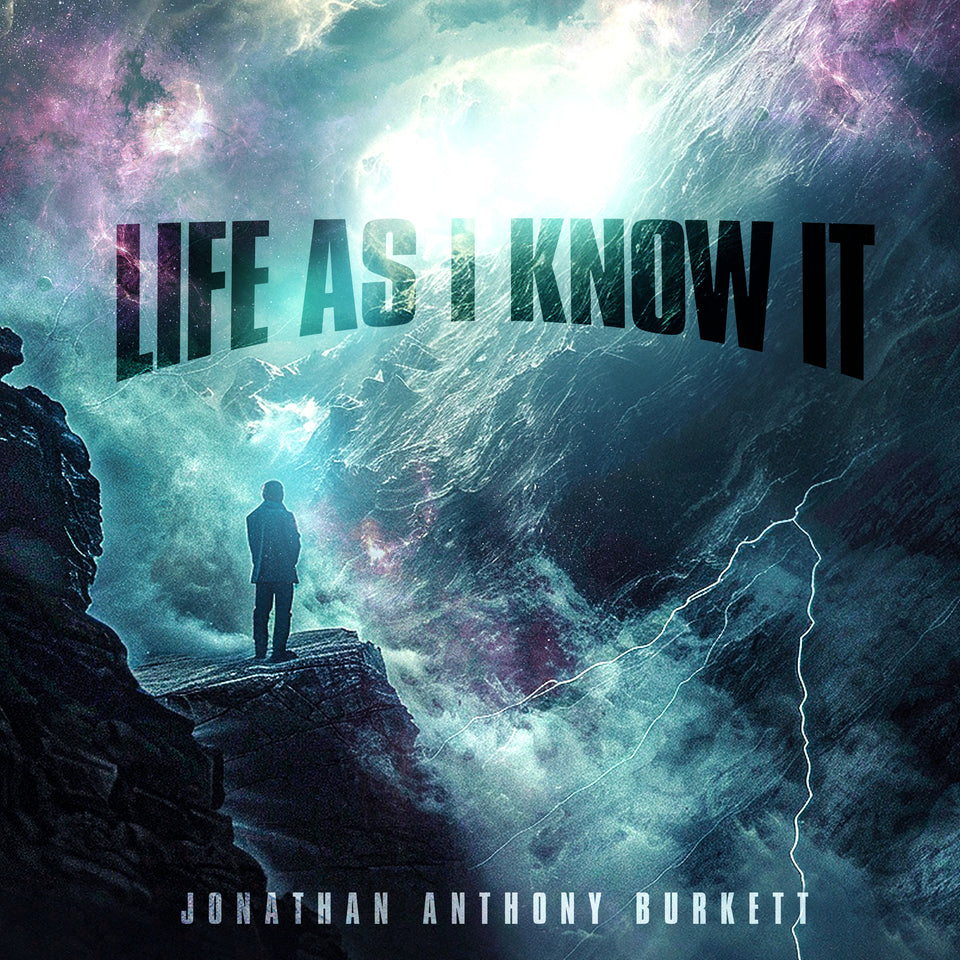
  • Life As I Know It: Keep a Listening Journal Before Choosing a Verdict

    Life As I Know It — official EP artwork
    Official Life As I Know It artwork, Jonathan Anthony Burkett / Upstormed.

    By Jonathan Anthony Burkett

    Reflections and reading prompts | October 16, 2026

    The first response to music often arrives before the explanation. A listener notices a sound, a change in pace, or the impulse to return to a moment. Then the pressure to describe the whole release can arrive too quickly. Was it good? What did it mean? Where does it belong? A listening journal offers another approach. It lets a person preserve the first encounter without requiring an immediate verdict, and return with enough detail to notice something different.

    My official music page lists Life As I Know It as an EP dated April 1, 2024. The official release page provides a route to the music. This is a feature about an existing catalog title, not an announcement of a new release today. The prompts below invite readers to listen for themselves. They do not report listening impressions, song lyrics, production credits, or private intentions that have not been verified for this article.

    Give the first encounter a reasonable setting

    Choose a time when the music can receive some attention. The ideal setting will differ from one listener to another. Someone may prefer headphones, another a familiar speaker, and another a quiet moment while traveling. Describe the actual setting in the journal if it seems relevant. A first response heard through a small device in a noisy room is still a real response. It simply comes with conditions that may shape what can be noticed.

    The journal need not begin with technical vocabulary. Write what drew your attention and where it happened. A note can be as modest as a time marker and a description of a change you heard. Use your own language. The purpose is to preserve an observation that can be revisited, rather than perform expertise for a future reader. If the term you want is unfamiliar, a plain description is often more useful than a confident word used without knowing what it means.

    Separate an observation from an interpretation

    An observation describes something the listener can point back to in the recording. An interpretation proposes what that feature means or does. Both belong in a music conversation, but keeping them distinct makes the conversation clearer. A person might notice that the sound becomes less dense at a moment and interpret that change as creating space. The example explains a listening method; it is not a claim that this particular moment occurs anywhere on Life As I Know It.

    A journal can give each kind of note its own sentence. First describe the feature. Then describe your response, using language that makes its personal character clear. Another listener may hear the same feature and respond differently. That difference is an opening for discussion, not automatic proof that someone listened incorrectly. Comparing the observation and the response can reveal whether the disagreement concerns what was heard, how it was understood, or what each person values in a musical experience.

    Let a second listen ask a different question

    Instead of repeating the demand to decide whether you like the release, choose a narrower focus for a return. You could attend to the movement between sections, the relationship between voice and accompaniment, or the way one track leads into another. These are optional prompts for any relevant listening encounter. Let the actual recording determine whether a particular question is useful. A method that forces the music to fit an expected pattern can become another way of failing to hear it.

    Keep the first notes when the second ones differ. A changed response does not make the earlier response dishonest. Familiarity, setting, and a different focus can alter what becomes noticeable. The useful question is what produced the change. Perhaps a feature that first seemed dominant no longer holds the foreground. Perhaps an unnoticed transition now matters. A specific account of that movement says more than a general declaration that the music grew on you or failed to improve.

    A title can invite a personal question

    Life As I Know It can also serve as a private writing prompt, provided the listener keeps their own reflection separate from a claim about the artist’s intent. What belongs in your account of life as you currently understand it? Which ordinary detail would you include? Which belief has changed? The title can begin those questions without answering them. A reader should not turn a personal association into an invented explanation of why a song was written or which event inspired it.

    This distinction is especially useful when music accompanies a meaningful period in a listener’s life. The connection may be important to the listener even if it has nothing to do with the circumstances of the recording. Describe that connection in its proper terms. You can say what the music accompanied for you without claiming access to someone else’s memories. Personal meaning becomes more credible when it remains attached to the person whose experience is actually being described.

    Share a route into the music, not a borrowed identity

    When recommending a catalog release, identify the title, artist, and official destination accurately. A direct link lets another person encounter the work instead of relying entirely on the recommendation. There is no need to label an older release brand new because it is new to you. Discovery and release date describe different events. Keeping both clear respects the catalog and makes the recommendation more useful to someone trying to locate the right work.

    If you discuss the recording publicly, share a few grounded observations and make room for another person’s response. Avoid inventing chart positions, tour plans, credits, or lyrics to make the recommendation sound more complete. The official Upstormed Records blog and release pages are places to check for announcements; this article makes no claim that an additional announcement has appeared today. An honest invitation to listen can stand on its own without the borrowed urgency of unverified news.

    A listening journal can stay entirely private, or become the beginning of a more thoughtful conversation. Its value comes from keeping attention close to the encounter: what you heard, what you thought, what changed, and what remains a question. Life As I Know It is available as an existing EP in the official catalog. Let that verified starting point lead to your own listening, and let your description earn its confidence through details you can actually return to and hear.

    #upstormed #jonathananthonyburkett #jonathanburkett #LifeAsIKnowIt #JonathanAnthonyBurkettMusic #ListeningJournal

  • A Listener’s Starting Point for Jonathan Anthony Burkett’s Music

    One Life artwork — Jonathan Anthony Burkett feat. Ambelique
    One Life artwork — Jonathan Anthony Burkett feat. Ambelique

    By Jonathan Anthony Burkett

    Finding an artist’s music should lead to a clear place to begin. A song link, a release title, and an artist name can help a new listener move from general interest to an actual listening session. A catalog becomes more useful when it distinguishes existing releases from fresh announcements and explains where official information can be checked. That distinction matters especially when older music is newly encountered: discovery is new to the listener even when the recording has been available for some time.

    Jonathan Anthony Burkett’s official Blogger music page lists One Life featuring Ambelique, the album Born To Make It, the EP Life As I Know It, the collection Upstormed Records, and the album Upstormed. The page dates Born To Make It and Life As I Know It to April 1, 2024. These are existing catalog listings, not a new-release announcement for today. The page provides service links for listeners who want to explore.

    Choose a first encounter you can give attention to

    A single track can be a practical beginning because it creates a bounded listening appointment. Choose a moment when the music can receive more than background attention. Listen once without requiring yourself to produce a review. Then ask what caught your attention and whether you want to return. This approach leaves room for the experience to develop. The first encounter does not need to become a permanent verdict on an artist or a complete explanation of their work.

    If you want to make notes, keep them specific to what you actually hear. You might notice a change in energy, a relationship between voices, or a musical detail that becomes clearer on a second pass. Avoid borrowing descriptive language from a review before forming your own impression. A useful listening note connects a response to an identifiable moment. It does not need professional vocabulary to preserve something worth returning to.

    The official page provides a service-selection link for One Life as well as a Spotify link. The presence of a collaboration credit gives a listener information to preserve when discussing the recording. Credit belongs with the title because it identifies the people attached to that release. It should not be replaced by a guess about who performed a particular part without checking reliable information.

    Let an album or EP create a longer conversation

    After a first track, a longer release offers another kind of encounter. The listener can attend to sequence, changes in mood, and the experience of moving between recordings. Those are questions to explore through listening, not claims being made here about the sound of a release. A title and cover can invite expectations, but the recording should have room to meet, complicate, or change those expectations on its own terms.

    A simple listening notebook can record the release title, the version or service used, and one question for a later return. The question might concern a passage you want to hear again or the relationship between two tracks. Notes are especially useful when several releases are being explored over time. They turn a vague memory of liking something into a clearer account of what you would like to revisit.

    The artist’s page links separately to Born To Make It and Life As I Know It. Using the named release links helps keep an album, an EP, and an individual song distinct. If a service presents several versions with similar names, check the artist and release information before assuming they are interchangeable. Accurate identification supports a more useful conversation about what someone has actually heard.

    Sharing music can begin with a reason

    A thoughtful recommendation tells another person why you are sending the link without deciding their response in advance. Perhaps something in the recording caught your attention, or perhaps you want to compare impressions after listening. State that reason in your own words. A message that leaves room for a different reaction can invite a real exchange. A demand that someone appreciate the music exactly as you do can make the invitation harder to accept.

    When discussing a song publicly, distinguish a personal interpretation from an artist’s documented explanation. A listener may connect a recording with an experience in their own life. That connection can be meaningful without establishing what the artist intended. If an official interview or statement supplies further context, identify it clearly. The difference allows both forms of attention to coexist: the listener’s experience and the creator’s account of the work.

    The same care applies to promotional language. A catalog listing is evidence that a release is presented on the official page. It does not establish a chart position, a sales milestone, or an upcoming tour. Those claims require their own confirmation. A useful music update can be modest and accurate. It can direct attention to available work without inventing an announcement to make the recommendation feel more urgent.

    Follow the work without confusing the timeline

    A blog can support listeners by keeping a clear distinction between catalog introductions, retrospective features, listening reflections, and verified release news. Each serves a different purpose. An introduction helps someone find a starting point. A retrospective revisits an earlier release. A reflection describes an encounter with the music. A news item reports a confirmed development. Labeling these forms clearly makes the archive easier to understand when a reader arrives months after publication.

    For current official links, the Blogger music page also directs readers to the Upstormed music page and the Upstormed Records blog. Check those sources when looking for announcements, and read dates alongside titles. A recently shared link does not necessarily point to recently released music. Keeping the timeline clear preserves the value of an older recording while avoiding confusion about what is happening now.

    The best starting point is an actual listening experience supported by accurate information. Choose a release, preserve the credits, and allow time to discover what interests you. Burkett’s catalog gives new listeners several routes into the work. Future updates can build on that foundation when new developments are confirmed. For now, the invitation is straightforward: follow an official link, listen with attention, and let your response begin with the music itself.

    #upstormed #jonathananthonyburkett #jonathanburkett #JonathanAnthonyBurkettMusic #UpstormedRecords #IndependentMusic #MusicDiscovery